

In Pursuit of Place Agenda
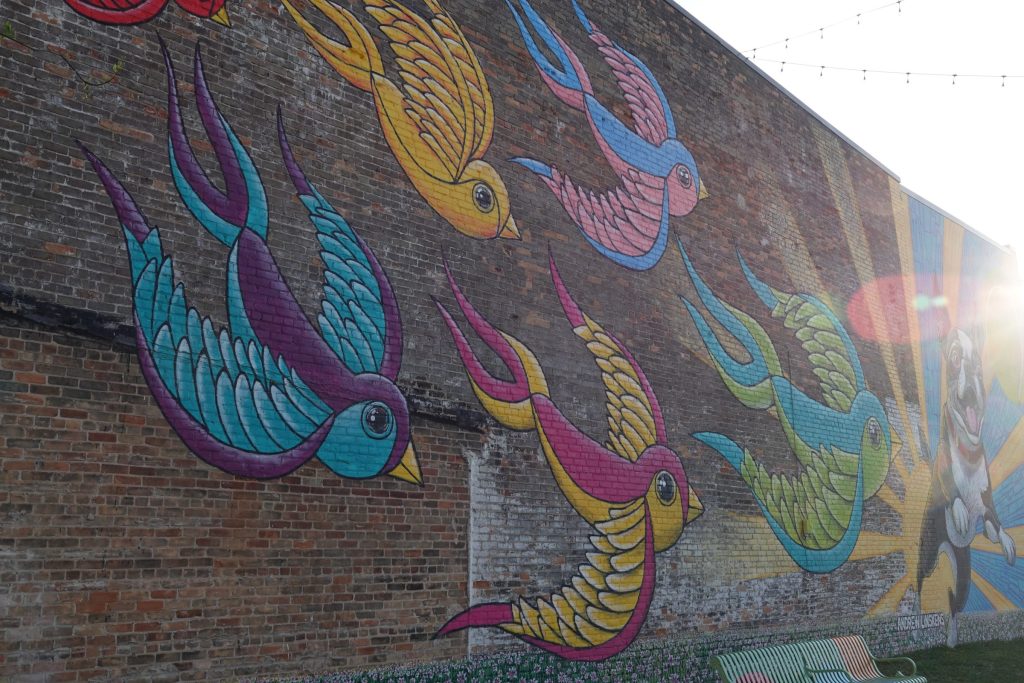
The Future of Placemaking
IN Pursuit of
place Summit
Agenda
Monday, June 22: Welcome Tailgate, Stadium View
4:30 PM
Welcome Tailgate at Stadium View Sports Bar, Grill & Banquet Hall
1963 Holmgren Way, Green Bay
Wear your favorite football jersey and enjoy beer, cheese, and brats.
Tuesday, June 23: The Foundations of Place, Lambeau Field
8:30 AM
Continental Breakfast
Pre-Function Area
9:00 AM
Welcome & Opening Plenary: “In Pursuit of Place”
Legends Club Room
9:45 AM
PlaceKnowing and P.L.A.C.E.S
Legends Club Room
Theodore “Ted” Jojola, PhD. and Megan Joe, Indigenous Design + Planning Institute, University of New Mexico
View Full Details →
PlaceKnowing is defined as a place whose meaning is derived from a cultural construction resulting in a holistic understanding of how places have evolved over generations through their shared understanding of community, land, people, and long-term ecological responsibility. The role of traditional knowledge serves to inform how communities give meaning to the cultural landscape they use and inhabit. This place-based memory and knowledge is integrated into the work of iD+Pi’s planning and design processes within three core areas of activities in academic, professional, and tribal collaboration for community development. This presentation will introduce these culturally grounded frameworks such as P.L.A.C.E.S to reframe and focus on how our places are beautiful already. iD+Pi is housed in the UNM School of Architecture and Planning working in an interdisciplinary fashion to educate and inform Indigenous design and planning by engaging faculty, students, professionals and community leaders in culturally responsive practices.
10:30 AM
An Inward Fire: Knowing the town of Vernon
Jeff Walker, Purdue Extension
Legends Club Room
View Full Details →
In our mobile world where people rarely live their entire lives in one place, a community’s ability to invite residents and stakeholders to both learn and participate in knowing a place is essential. During this session, participants will hear about the oral, written, and visual touchstones that shape how people know the Town of Vernon, Indiana as well as the Town’s practice of maintaining, sharing, and creating knowledge. Join us to gain an appreciation of how place-knowing can grow over time and inspire residents in current placemaking efforts.
11:15 AM
How Places Actually Change: Seeing the Systems Behind Placemaking
Stephen Klimek
Legends Club Room
View Full Details →
Placemaking is often understood through projects such as parks, public art, or streetscape improvements. Yet the forces shaping places are usually deeper systems: infrastructure networks, institutional relationships, governance structures, and community stewardship. This session introduces a method for seeing and operationalizing the systems of place. Using examples from the Creative Enterprise Zone and Towerside Innovation District in Minneapolis–Saint Paul, the presentation shows how coordinated systems, not isolated projects, create durable place outcomes.
11:45 AM
Lunch & Networking
North Balcony
12:45 PM
The Art of Creative Placekeeping: Strengthening Communities with the Arts at the Core
Ra Joy, Bronzeville Center for the Arts
Legends Club Room
View Full Details →
Across sectors and at all levels, policymakers and planners are increasingly recognizing how the arts can strengthen the social, cultural, and economic life of our communities. This session will showcase the wide-ranging impact of the arts in placemaking and placekeeping efforts in urban, rural, and tribal communities. The session will also highlight how arts infused placekeeping strategies can help foster stewardship and social cohesion and strengthen community identity and civic pride. The session will provide tools, frameworks and creative practices that center community voice, empowerment, engagement, and shared decision-making.
2:00 PM
Rethinking Places: From America to Australia
Krista Nightengale, Better Block; Courtney Strow, Ipswich City Council, Australia
Legends Club Room
View Full Details →
This session explores how a one-day Better Block activation in Ipswich, Australia helped shift Darcy Doyle Place from a pass-through corridor into the city’s envisioned cultural spine. Through temporary seating, art, and community programming, the demonstration generated public engagement, data, and storytelling that supported a successful $3.8 million federal grant for permanent redesign. Presenters Krista Nightengale (Better Block, USA) and Courtney Strow (Ipswich City Council, Australia) will share how temporary interventions can build community ownership, inform long-term planning, and unlock investment.
3:15 PM
Titletown District Overview Presentation
Legends Club Room
3:45 PM
Titletown “Choose Your Adventure”:
Various Locations
View Full Details →
Select from one of the following options:
- Titletown Phase 1: Walking tour of public spaces used for programmed and unprogrammed activities.
- Titletown Phase 2: Walking tour of residential and commercial developments.
- Titletown Programming: Learn about strategic programming including Bingo under Ariens Hill.
- TitletownTech: Learn about Titletown’s Venture Capital firm.
- Hinterland: Learn about Hinterland’s connection to the Packers, tour the brewery.
- Birdseye View: Journey to the top of Ariens Hill to learn how Titletown integrates into the community.
5:00 PM
Dinner at Lambeau Field
North Balcony
6:00 PM
Evening with Michael Perry (award-winning author & humorist)
North Balcony
View Full Details →
Michael Perry is a New York Times bestselling author, humorist,corporate speaker, screenwriter, and amateur snow plow driver from New Auburn, Wisconsin.
Perry’s bestselling books include Population: 485 (about his experiences as a volunteer firefighter and EMT) and twenty-plus other books, including his latest, Improbable Mentors & Happy Tangents. Perry has been the subject of three PBS specials,including On The Road, which featured his live humor performances, including Never Stand Behind A Sneezing Cow.
Raised on a small Midwestern dairy farm, Perry put himself through nursing school while working on a ranch in Wyoming, then detoured into writing. He lives in rural Wisconsin with his wife and daughters, where he still makes an occasional call with the local volunteer fire and rescue service. He can be found online at sneezingcow.com. Michael also hosts a subscription audio newsletter at michaelperry.substack.com.
Wednesday, June 24: Place in Action – Managing & Making/Creating, Various Locations
7:30 AM
Continental Breakfast
Rockwood Terrace at Ariens Hill
8/8:30 AM
Rural or Urban Tour:
Held concurrently, Summit participants may select between either an urban or rural placemaking tour.
- 8:00 AM Rural Tour: Baileys Harbor, Door County – load bus(es)
- 8:30 AM Urban Tour: Broadway District – meet at Rockwood Terrace for continental breakfast and pre-tour presentations
6:00 PM
Dine-Arounds: Curated dinner groups in Titletown
Refer to announcements and sign-up sheets for locations.
7:30 PM
Drawing Conclusions: A Collaborative Artistic Expression of Our Ah-ha Moments
Rockwood Terrace in Ariens Hill
Desserts provided. Cash bar available.
Thursday, June 25: Place Change – Research, Practice, Engagement, Lambeau Field
8:15 AM
Continental breakfast
Pre-Function Area
9:00 AM
Concurrent Sessions
Format: Flash Talks: (2) 30-minute presentations with Q&A and Full Sessions: 60-minute presentation with Q&A
Full Session A:
Johnny Blood Room
Enhancing the Value of Public Spaces: Placemaking, Healthy Communities, and Community-Led Action Planning
Kara Salazar, Michael Wilcox, Daniel Walker, Blake Connolly, Lisa Graves, Rebecca Payne, Aaron Thompson, and Steve Yoder, Purdue Extension
View Full Details →
This session introduces Purdue Extension’s Enhancing the Value of Public Spaces (EVPS) program and its collaborative approach to shaping public spaces through Appreciative Inquiry, the Community Capitals Framework, and Policy–Systems–Environment (PSE) strategies. Participants will learn how communities use EVPS to update plans, secure grants, strengthen coalitions, and enhance quality of life. The session also highlights 2026 curriculum updates, offering practical tools for community driven action.
Flash Talks Session B:
Willie Davis Room
Placemaking as Coalition-Building: Wendell Berry’s Agrarian Framework for Stewardship of Place
Gregory Koutnik, Beloit College
View Full Details →
In a country divided by partisanship, ideology, and growing alienation between rural and urban communities, placemaking is not only a matter of good policy and sound management, but also of political coalition-building. Drawing from the agrarian thinker Wendell Berry, I present a framework for placemaking that brings together diverse strands of American political culture, from commitments to individual liberty and communal autonomy to imperatives of social justice and environmental stewardship. Because Berry’s ideas resonate across the political spectrum, they can help us bridge divides in pursuit of sustainable placemaking.
Learning Alongside Neighbors: Place‑Based Planning Grounded in Community Voice
Elizabeth Celaya and Julie Filapek, NeighborWorks America
View Full Details →
In 2024, NeighborWorks Green Bay (NWGB) joined the NeighborWorks America Comprehensive Community Development Planning Cohort with a focus on the Historic Central Neighborhood of Appleton, WI. NWGB implemented creative resident engagement strategies, including a custom card game centered on youth experiences and aspirations, to foster meaningful community participation while engaging in deep, peer‑based learning with organizations nationwide. This session explores the strategies and outcomes of that work, highlighting the importance of understanding place as NWGB advances a community‑centered approach to development.
Full Session C:
Paul Hornung Room
Lived Experience as Leadership Infrastructure: Asset‑Based Storytelling, Place, and the Neighborhood Leadership Fellows Model
Dwayne James, MU Extension
View Full Details →
Neighborhood Leadership Fellows (NLF) is a place‑based leadership development model centered on lived experience, asset‑based storytelling, and collective learning to advance systems change. This session explores how NLF uses storytelling and place—through neighborhood tours and shared narratives—to prepare community leaders for advocacy, policy engagement, and civic decision‑making. By positioning lived experience as essential knowledge, NLF strengthens leadership, reframes narratives about disinvested neighborhoods, and builds durable, cross‑city networks that reduce isolation and expand what leaders believe is possible.
Flash Talks Session D:
Bart Starr Room
Creative Cooperative Systems: Leveraging Arts-Based Systems Design for Community Placemaking and Financial Liberation
LaShawndra Vernon, Pryme Solutions LLC.
View Full Details →
This session details an innovative framework for Creative Placemaking, strategically shaping communities through arts and culture. Learn how to empower creative professionals to co-create a sustainable, equitable ecosystem rooted in community voice, shared decision-making, and social progress. This is a practical, expert-level discussion on cultivating the creative economy for financial liberation
Seeing Ourselves Clearly: How First-Time Visitor Insight and Regional Alignment Drive Rural Place Action
Will Cronin and Andy Northrop, Michigan State University Extension
View Full Details →
First Impressions Tourism (FIT) uses structured, first-time visitor assessments and facilitated public forums to catalyze local place action, strengthening collaboration, surfacing assets, and converting insight into strategy. The Rural Tourism Assessment (RTA) scales this approach regionally, aligning multiple municipalities through shared data and phased planning. This session explores how visitor perspective, facilitation, and evaluation tools drive measurable rural outcomes including infrastructure investment, entrepreneurship, and cross-sector coordination
10:15 AM
Break & Networking (Poster Session Gallery) Sessions
Pre-Function Area
10:45 AM
Concurrent Sessions
Format: Flash Talks: (2) 30-minute presentations with Q&A and Full Sessions: 60-minute presentation with Q&A
Flash Talks Session A:
Johnny Blood Room
Lessons from The Neighborhood Story Project: A resident-led model of place-keeping and place-making
Megan Ginn, CommunityWorks
View Full Details →
Across the U.S. many neighborhoods are experiencing social, economic, cultural or physical changes. Yet too often long-term residents feel left out of this process. In this session, participants will be introduced to the Neighborhood Story Project, a 12-week model of engaging residents as researchers and change-makers. This session will provide an in-depth introduction to this innovative model of community-led place-keeping and place-making. Drawing from real-life examples and evaluation data, the session will describe how the project strengthens social ties, place attachment, and collective action.
Before I Knew the Words: Storytelling, Collective Care, and the Meaning of Place
Dr. Danielle Hairston-Green, UW-Madison Division of Extension
View Full Details →
In this deeply personal and reflective session, Danielle Hairston-Green shares the story of growing up in North Philadelphia in the 1970s and 1980s, in a neighborhood where collective care existed long before she had language for it. Through vivid storytelling participants will explore how place is created not only through physical spaces, but through relationships, rituals, memory, and mutual responsibility.
This talk invites participants to consider how storytelling becomes a critical tool for preserving community identity, honoring lived experience, and reimagining belonging. Participants will reflect on the places that shaped them, the stories that grounded them, and what is lost when communities lose connection to collective care.
Full Session B:
Willie Davis Room
The Intrinsic Value of Creative Placemaking and How Investing in Artists Can Promote Economic Well-Being and Community Vitality
Elena Stephenson, University of Missouri
View Full Details →
This session will cover examples of ways Creative Placemaking has strengthened the communities of the Urban West Region, in Kansas City, Missouri. Examples will include, but not be limited to murals, artist residency programming, and the development and revitalization of public parks.
Our evaluation findings align with broader research: studies show that investing in artists and participatory programming can increase local pride, reduce isolation, and create a stronger sense of belonging in communities (Creative Europe, 2022; The Art of Belonging, 2021).
Full Session C:
Paul Hornung Room
Protecting the Soul of a Community: Creative Placemaking & Cultural Disaster Preparedness
Melissa Bond, University of Kentucky
View Full Details →
Creative placemaking is often framed as a tool for economic development or community identity, but it can also strengthen community resilience. This session shares lessons from the Rural Placemaking initiative and the Kentucky Heritage Emergency Response Network (KHERN), which connects artists, cultural organizations, and community leaders to prepare for and respond to disasters. Participants will explore how rural communities can build networks that support both cultural vitality and disaster readiness through creative placemaking partnerships.
Full Session D:
Bart Starr Room
Story + Data for Place Impact: Communicating Community Value Through Narrative and Evidence
Ashley Allen-Brown, University of Missouri (MU) Extension
View Full Details →
Placemaking is fundamentally about people – their experiences, identities, and sense of belonging in place. Yet practitioners are often asked to justify this deeply human work using data alone. This session explores how combining community narrative with evidence strengthens place-based communication, decision-making, and impact. Participants will be introduced to a practical framework of Story → Data → Meaning → Action; and see real-world examples of how story and data together build community buy-in, support strategic placemaking, and inspire sustained place action.
Noon
Lunch & Closing Remarks: Summit Reflections & Next Steps
North Balcony
1:00 PM
Adjournment
Speaker Biographies
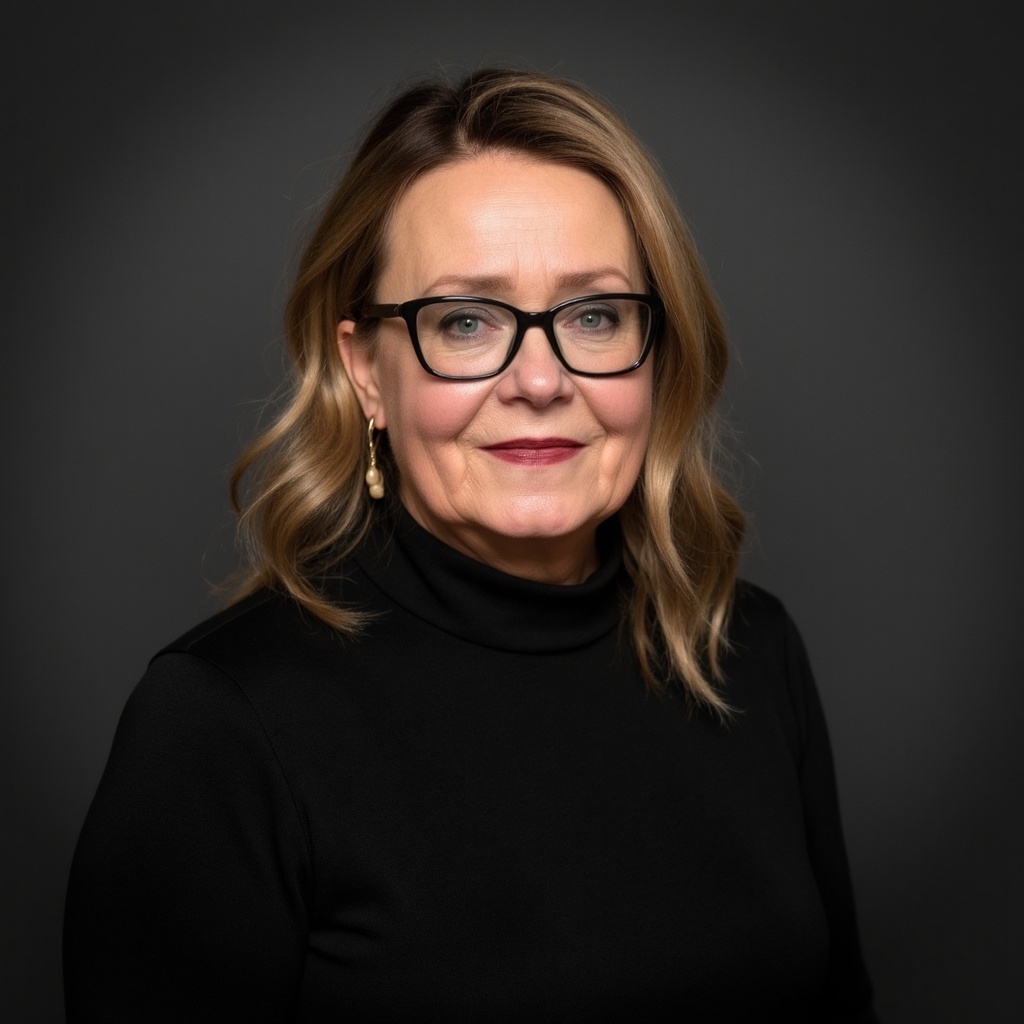
Dr. Ashley Allen-Brown
Dr. Ashley Allen-Brown brings nearly 30 years of experience in individual, community, and business development, working alongside grassroots and people-centered initiatives that strengthen place, belonging, and local capacity. She is a Regional Economic Development Specialist and Assistant Extension Professor with University of Missouri Extension, serving seven counties in Missouri’s West Central Region. Her work supports youth, women, and veterans through workforce development, entrepreneurship, and civic engagement.
An adult learning strategist and applied scholar, Dr. Allen-Brown helps communities translate shared identity, data, and vision into coordinated place-based action. She holds a Master of Education in Curriculum and Instruction and a Doctor of Education in Organizational Leadership. Her current work integrates entrepreneurial identity, braided funding, and hands-on tools to advance community-driven placemaking.
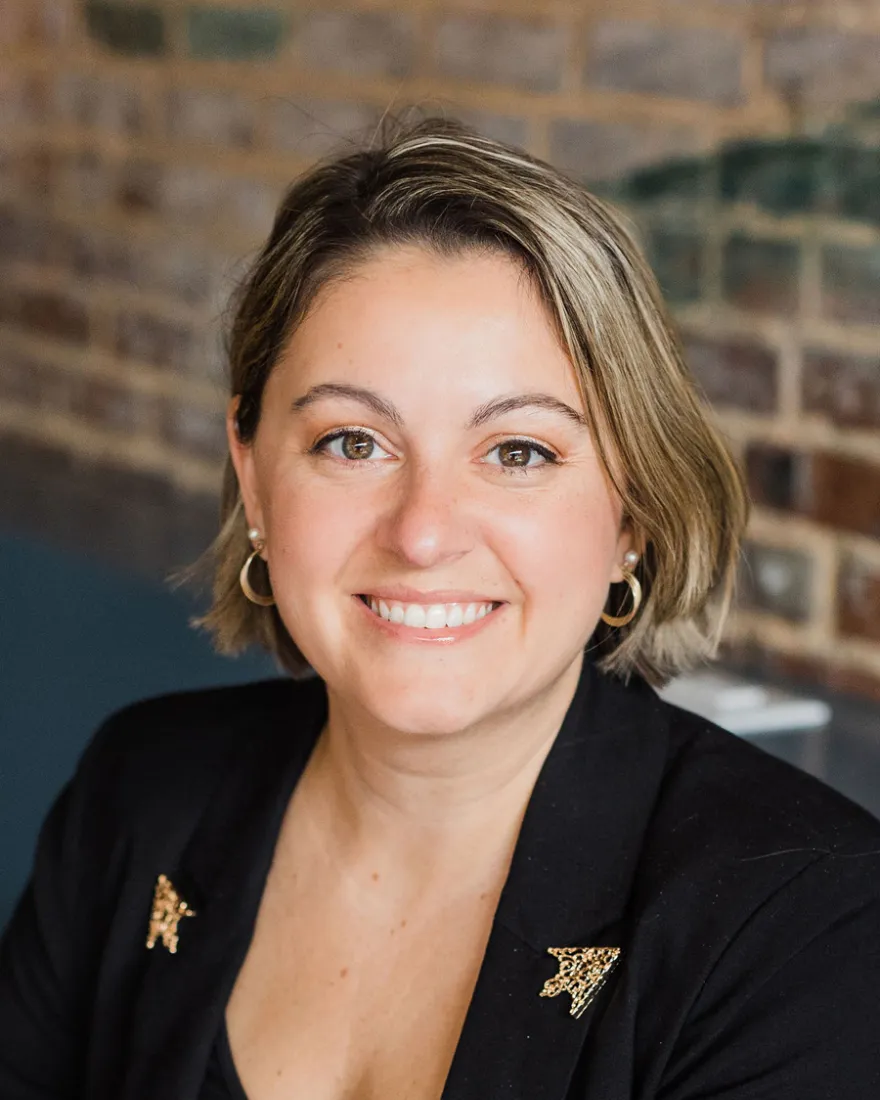
Melissa Bond
Melissa Bond is the Extension Director for Community, Arts, & Economic Development for Blueprint Kentucky at University of Kentucky. Blueprint Kentucky provides arts and design engagement, education, leadership training, and economic development support to Kentucky communities. It also houses the Community Arts Extension Program, with 15 field staff focused on community development through the arts. Melissa was the project director for the Rural America Placemaking Toolkit and the Placemaking in Small & Rural Communities Conference, a partnership with USDA Rural Development to provide access to placemaking resources, programs, and information for rural communities. Her research centers on applied arts and design as methods of creative community engagement, with an emphasis on rural placemaking and arts evaluation. Melissa is the co-author of Spark! Extension Creative Placemaking Toolkit.
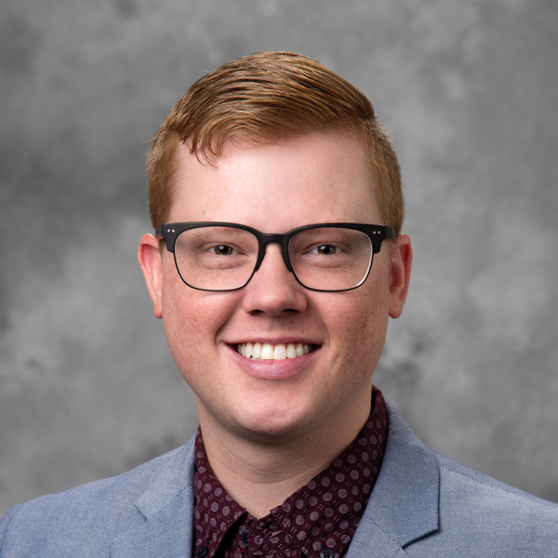
Blake Connolly
Blake Connolly is an Assistant Director for the Purdue Extension Nutrition Education Program (NEP) in the College of Health and Human Sciences. In this role, he provides statewide oversight of Indiana’s Supplemental Nutrition Assistance Program-Education (SNAP-Ed) and Expanded Food and Nutrition Education Program (EFNEP). These programs work to “make the healthy choice, the easy choice” for limited-resource Hoosiers through direct nutrition education and community wellness initiatives. Blake earned a BS in Health Sciences and a MPH with a concentration in Family and Community Health, both from Purdue University.
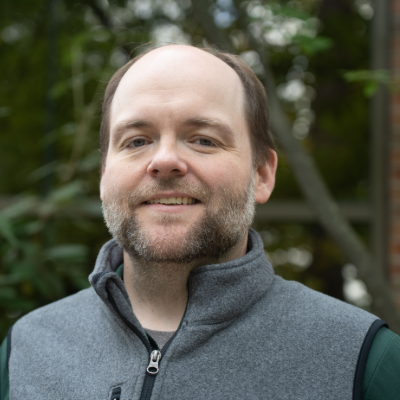
Will Cronin
A Community Development Educator working with MSU Extension, Will has extensive experience in asset-based community economic development, placemaking, tourism, planning and zoning, nonprofits, local government, facilitation, community outreach, and organizational development and strategic planning. He has strong skills in technology and remote learning, as well as experience in marketing and branding for community organizations. Will holds a Master of Public Administration from Grand Valley State University and a Bachelor of Arts in Political Science and History from Albion College. He lives in Houghton, Michigan with his family.
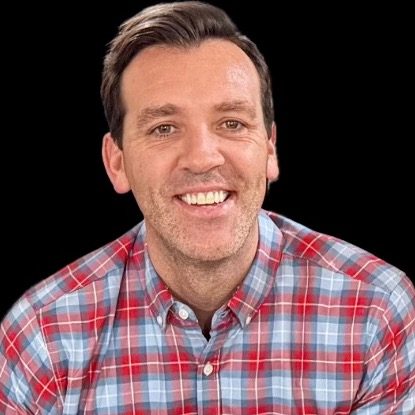
Jesse Czech
Jesse Czech is a community builder and placemaker based in Madison, Wisconsin, focused on strengthening neighborhoods as the foundation for connection, belonging, and long-term civic vitality. As President of the Westmorland Neighborhood Association, he has led a transformation from a traditional volunteer group into a high-impact community engine, driving large-scale events, raising significant capital for public space improvements and building one of the most engaged neighborhood networks in the city.
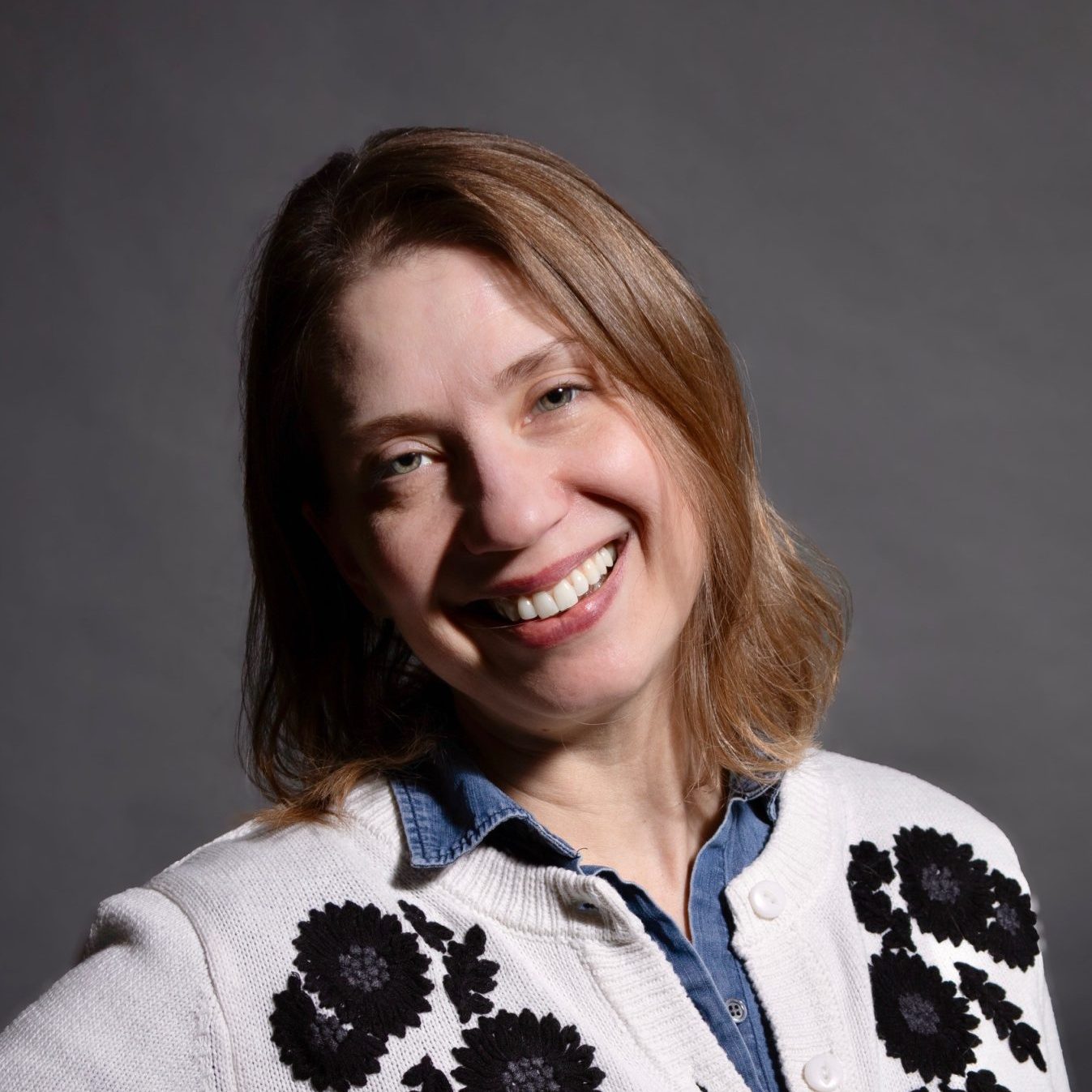
Elizabeth Druback Celaya
Elizabeth Druback Celaya currently serves as Director, Community Initiatives for NeighborWorks America, a national intermediary working to create opportunities for people to live in affordable homes, improve their lives and strengthen their communities.
Within NeighborWorks America, the Community Initiatives Department supports efforts to build vibrant local communities that provide equitable opportunities for people to thrive, with a focus on advancing comprehensive, place-based, and resident-led strategies. Elizabeth joined the NeighborWorks America team in 2022 after twenty years with Hudson River Housing, Inc., a nonprofit housing and community development organization based in Poughkeepsie, NY.
Elizabeth is a graduate of Vassar College and holds a master’s degree in Nonprofit Management from The New School.
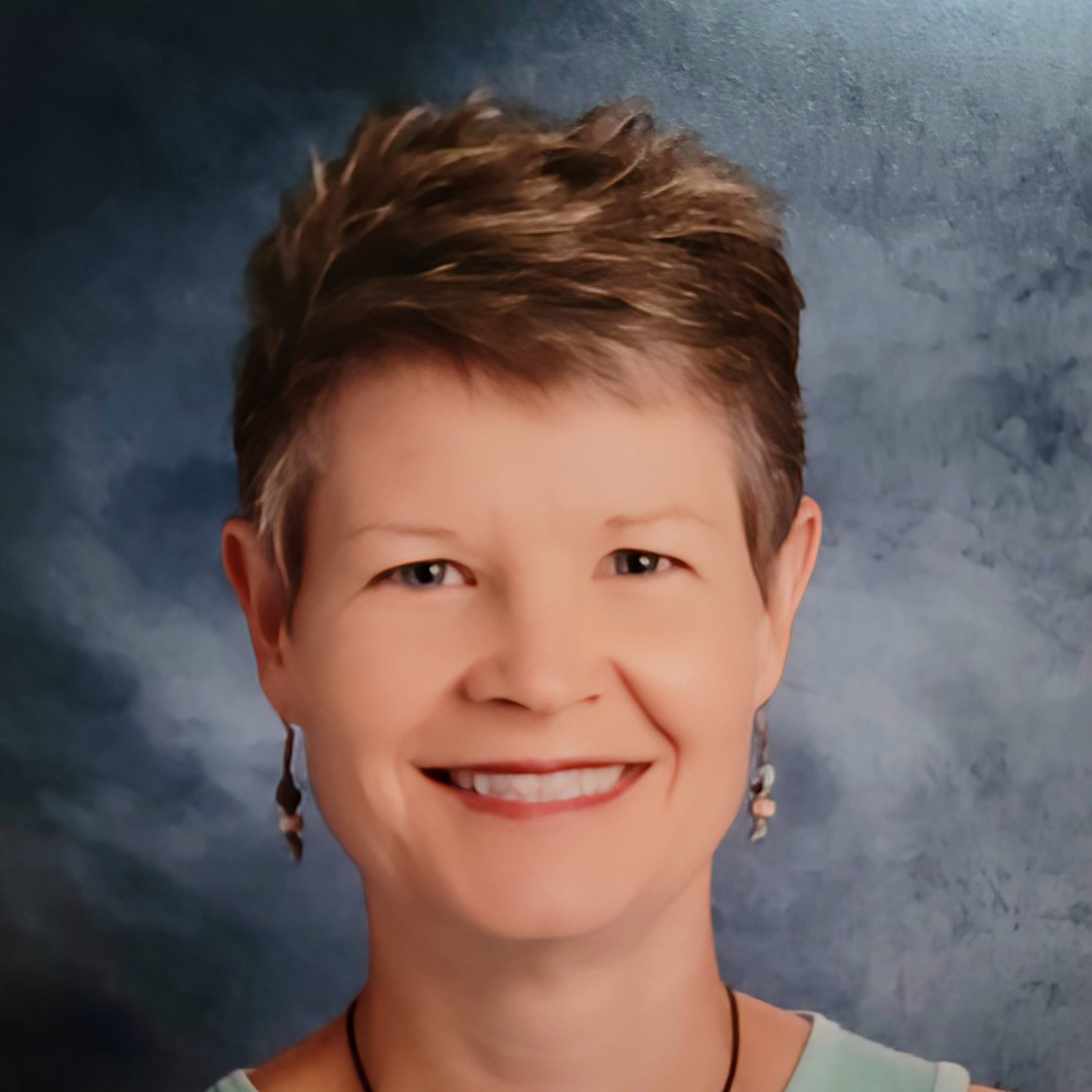
Charlinda Evans
Charlinda Evans is an educator and community leader with 32 years of service in Jennings County, Indiana. She began as a high school social studies teacher at Jennings County High School, served five years as District Technology Coordinator, returned as department chair, and now teaches media while overseeing the middle school library. A Hines Medalist, she holds a bachelor’s degree in social studies education from Indiana State University and a master’s in Instructional Systems Technology from Indiana University Bloomington.
Charlinda co-founded Perceptions Yoga, Mindfulness & Art in historic Vernon, Indiana, blending yoga and art through a trauma‑informed approach that fosters belonging and resilience. She has served as president of the Jennings County Women’s Giving Circle, held leadership roles with Friends of Historic Vernon, and is a long‑standing leader in Delta Theta Tau. A lifelong learner, she is pursuing Yoga Therapist certification, integrating wellness, history, and storytelling to help people connect deeply with place.
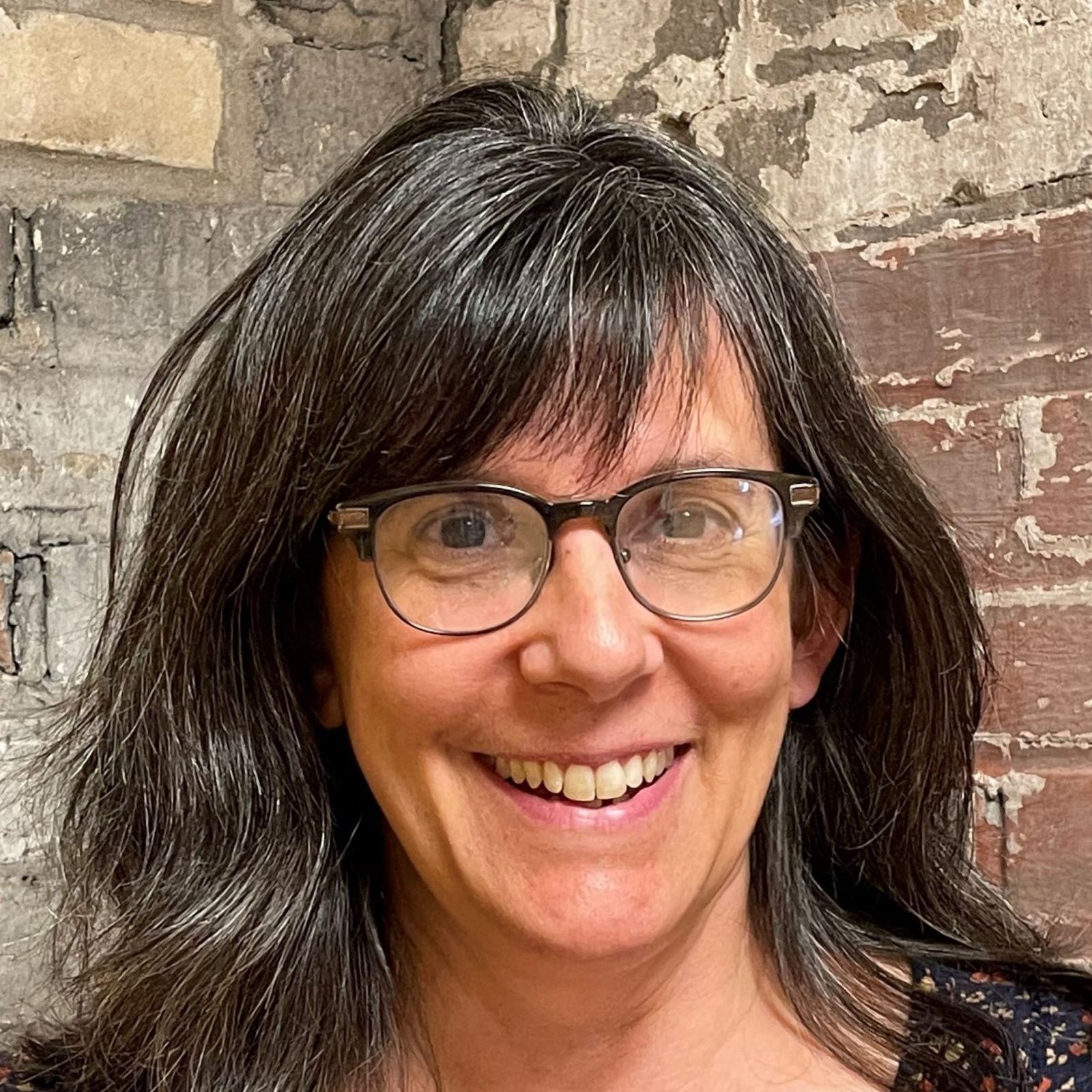
Julie Filapek
Julie Filapek (M.A., Urban and Environmental Policy & Planning) has a 25+ year history of asset-based community development work in urban neighborhoods and small rural communities. Julie is the Neighborhood Partners Program Manager at NeighborWorks Green Bay.
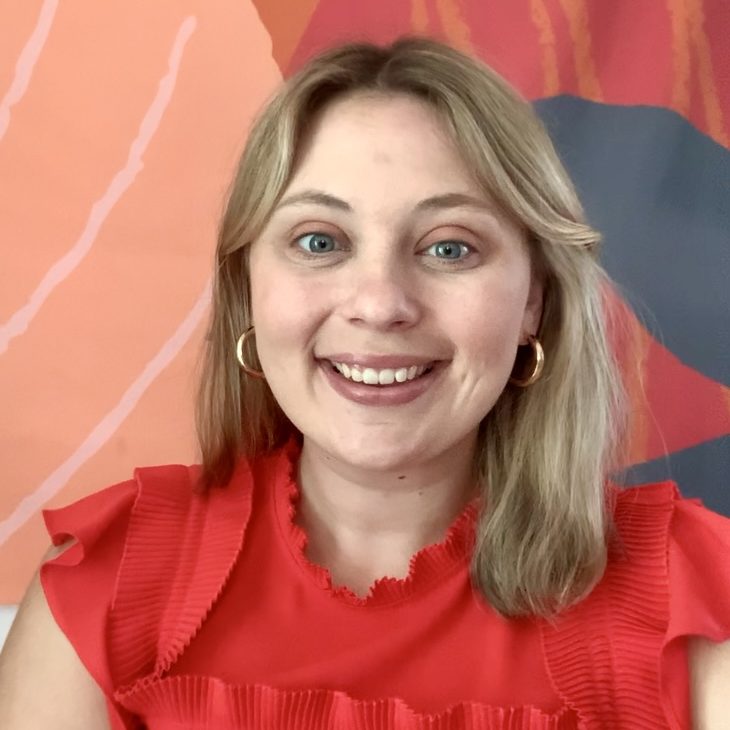
Megan Ginn
As the Director of Community Building Strategies, Megan helps place-based practitioners to develop trust and co-create solutions with residents through resource development, facilitated learning, and collaboration. Rooted in Asset-Based Community Development, Megan helps local communities focus not on what is wrong, but what is strong and to develop ways to empower residents for community-driven change. In addition to working directly with communities across the country, she also leads workshops, keynote sessions, and speaks to residents and local leaders about how to create community-driven change.
Lisa Graves
Lisa Graves is the Interim HHS Program Leader and Assistant Director for Purdue Extension. She builds relationships and forms partnerships between county and campus stakeholders, participates in strategic planning, and provides leadership to HHS Extension. Prior to Lisa’s current role with Purdue Extension, she served as an Assistant Program Leader, Extension Specialist, and Limited-Term Lecturer for the undergraduate nutrition communications course in the Department of Nutrition Science. As a School and Community Nutrition Specialist at the Indiana Department of Education, Lisa coordinated several USDA Team Nutrition Grants and provided technical assistance to school food service professionals on a variety of topics. Lisa earned a BS in Dietetics and Nutrition, Fitness, and Health from Purdue University and a MS in Family and Consumer Sciences from Eastern Illinois University. Lisa is also a Registered Dietitian.
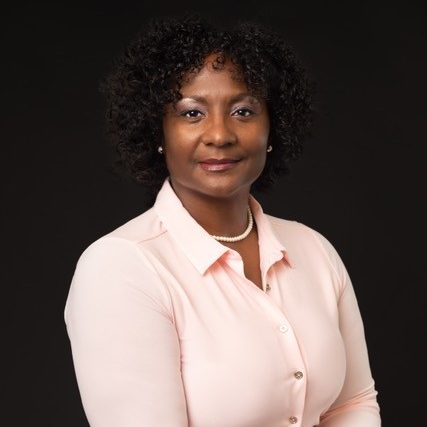
Dr. Danielle Hairston-Green
Dr. Danielle Hairston-Green serves as Assistant Dean and Director within the University of Wisconsin–Madison Division of Extension, where she leads statewide initiatives focused on strengthening families and preventing family crisis. A passionate community advocate, national speaker, and storyteller, she has shared powerful narratives on many stages including The Moth, where she is the local show host, and continues to champion voices often left unheard. Danielle is also the host of ‘Soul Currency’, a weekly podcast where she helps individuals align their energy to what matters most in their lives. She serves on the Education Committee for the Black Political and Social Action Committee of Dane County and on the Board of Directors for Wisconsin Humanities, advancing civic engagement and access to the arts across Wisconsin. She is also nationally certified in Human Development and Family Science. She is a Madison transplant, originally from Philadelphia, a mother of three and grandmother of four.
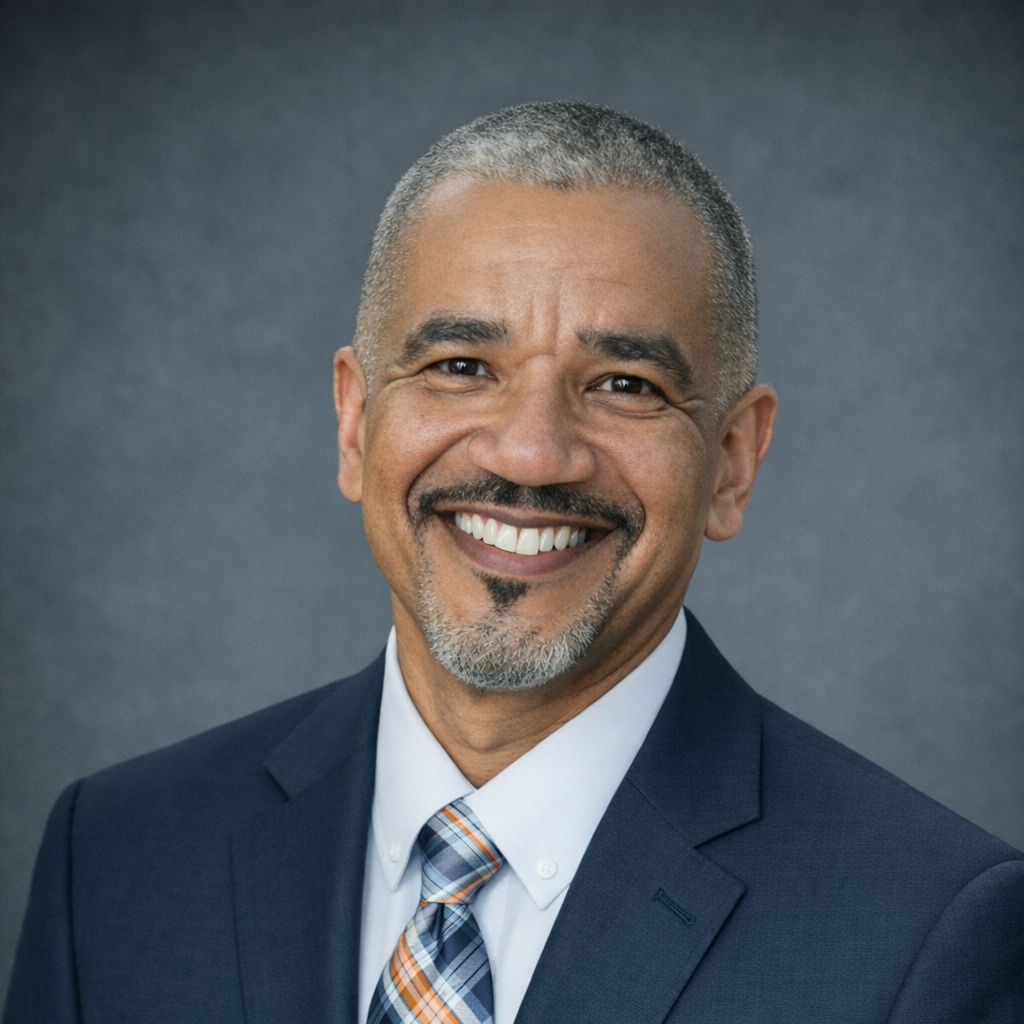
Dr. Dwayne T. James
Dr. Dwayne T. James, P.E. serves as Director of Access and Inclusive Engagement (statewide) and Community Development Specialist for MU Extension in St. Louis County. He works to embed MU’s Inclusive Excellence Framework across Extension and co-facilitates leadership programs including Neighborhood Leadership Fellows and the Youth Empowerment Program. Dr. James is a trained facilitator in Strategic Doing and Navigating Difference, supporting collaboration, cultural competency, and measurable outcomes.
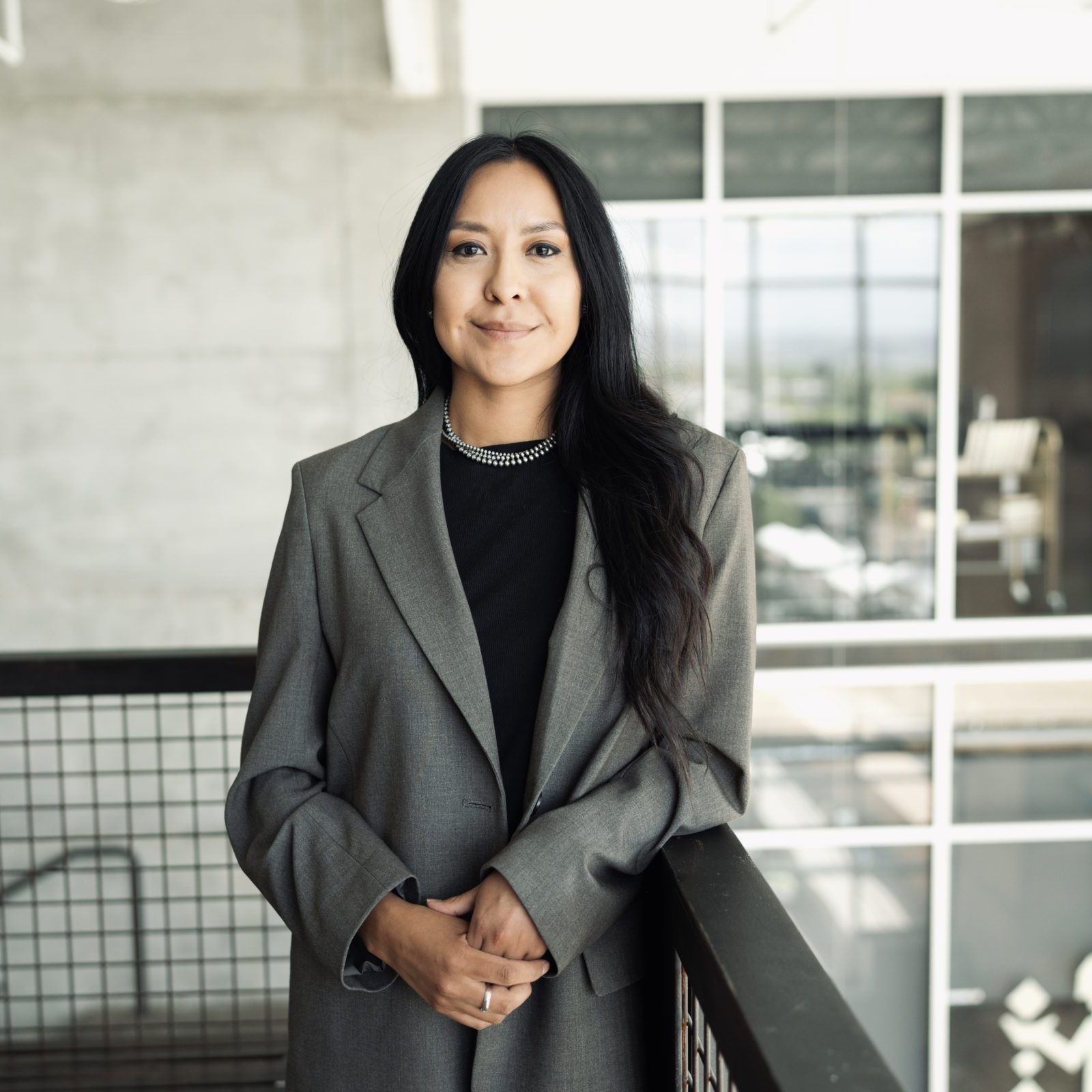
Megan Joe
Megan is Diné from Nakaibitó (Mexican Springs), New Mexico (NM) where her family raised sheep and still reside. Megan attributes her rural upbringing on the Navajo reservation with her urban connections in Albuquerque to inform her passion for tribal community development work using an equity lens. As an undergrad she studied abroad and later worked for the University of New Mexico (UNM) Community Engagement Center connecting service-learning opportunities for students and community to non-profits in NM focused on food sovereignty, tribal education, and other social justice initiatives. Working with community laid the foundation for Megan to obtain a master’s degree from UNM’s Community and Regional Planning Program in the School of Architecture and Planning where she currently serves as the Education Specialist for iD+Pi (Indigenous Design and Planning Institute). Her background and research interests in rural and urban tribal communities centers Indigenous methodologies to inform Indigenous design and planning processes.
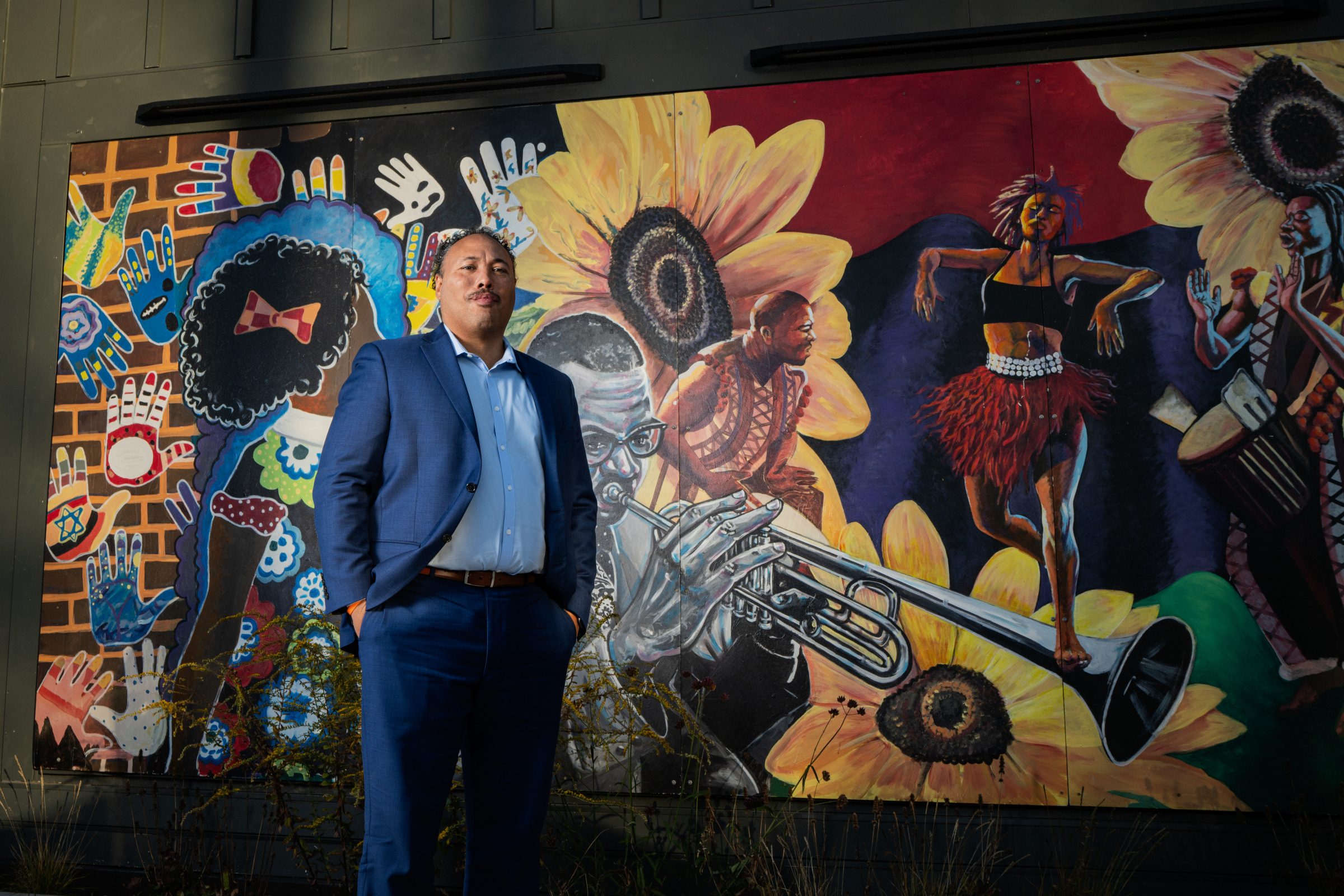
Ra Joy
Ra Joy is a nationally recognized strategist and advocate working at the intersection of the arts, community engagement, and systemic change. On day one of the Biden-Harris Administration, Ra was appointed to serve as Chief of Staff at the National Endowment for the Arts (NEA). As Chief of Staff at the NEA, his responsibilities included implementing the NEA’s American Rescue Plan program, which provided $135 million in funding to help the U.S. arts and cultural sector recover from the COVID-19 pandemic. From 2007 to 2015, Ra served as Executive Director of Arts Alliance Illinois, one of the nation’s most prominent arts advocacy and service organizations. Ra now serves as Executive Director of the Bronzeville Center for the Arts (BCA). Located in Bronzeville – a historically African American neighborhood in Milwaukee, Wisconsin – the BCA is working to conceive, create, and sustain a world-class museum devoted to the beauty and richness of Black art and culture.
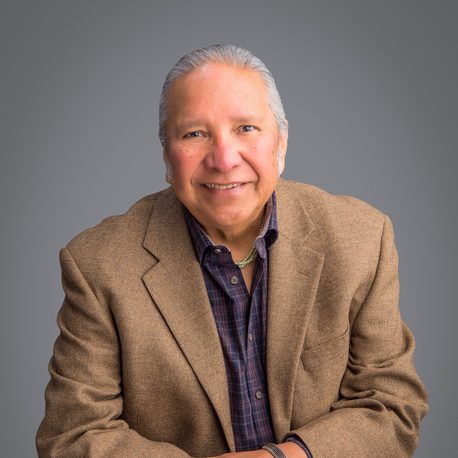
Dr. Theodore “Ted” Jojola
Theodore (Ted) Jojola, PhD, is a Distinguished Professor and Regents’ Professor emeritus in the Community & Regional Planning Program, School of Architecture + Planning, University of New Mexico (UNM). He is the founder and Director of the Indigenous Design + Planning Institute. iD+Pi works with tribal communities throughout the SW region as well as internationally by facilitating culturally informed approaches to community development. He has held several visiting scholar appointments at York University in Toronto, Canada, the University of Arizona, and UCLA. From 2008-2010, he was Visiting Distinguished Professor at Arizona State University in the School of Geographic Sciences and Planning. He was Director of Native American Studies at UNM from 1980-1996. He is actively involved in major research projects on Indigenous community development, has published numerous articles and chapters, curated major museum exhibits and has a podcast series on PlaceKnowing. He is coeditor of two books—The Native American Philosophy of V.F. Cordova entitled How It Is (U. of Arizona Press, 2007) and Reclaiming Indigenous Planning (McGill-Queens University Press, 2013). He is an enrolled member of the Pueblo of Isleta.
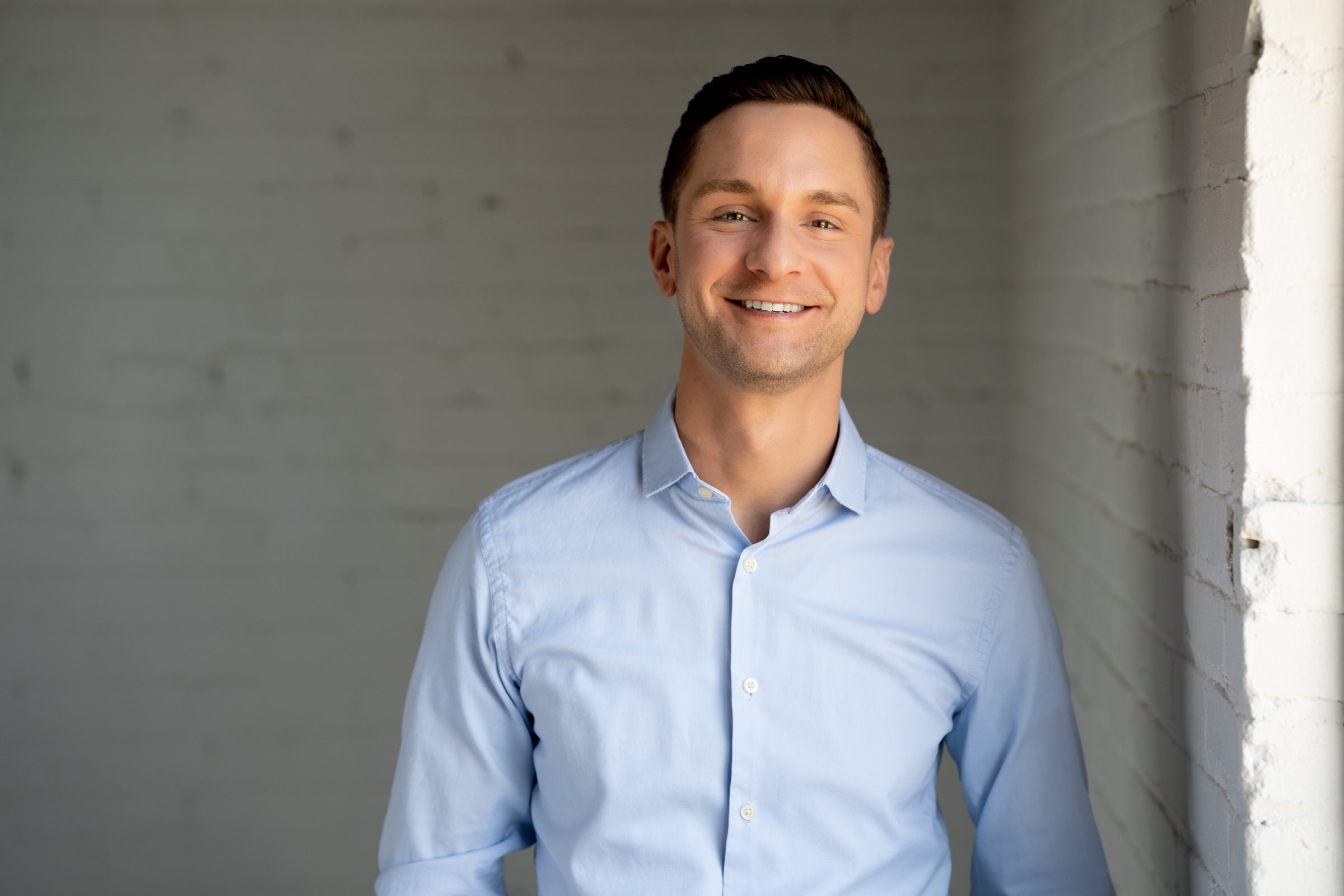
Stephen Klimek
Stephen Klimek is a community and economic development leader working at the intersection of place-based strategy, equitable development, and urban systems design. His work focuses on translating complex community priorities into actionable, collaborative initiatives that strengthen neighborhoods, advance climate resilience, and support inclusive growth.
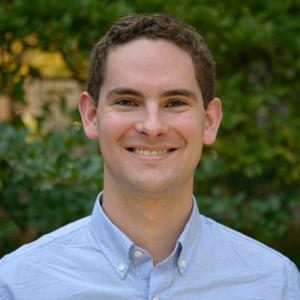
Dr. Greg Koutnik
Dr. Greg Koutnik (Ph.D., University of Pennsylvania) is an Assistant Professor of Political Science at Beloit College, where he teaches courses in political theory, American government, and environmental studies. His research in environmental political theory and American political thought focuses on the role of home, belonging, place, and scale in environmental politics. His work on environmental thinkers like Aldo Leopold and Wendell Berry has been published in American Political Thought and New Political Science, and he is the recipient of the American Political Science Association’s 2020 Christian Bay Award for Best Paper in Critical Political Science.
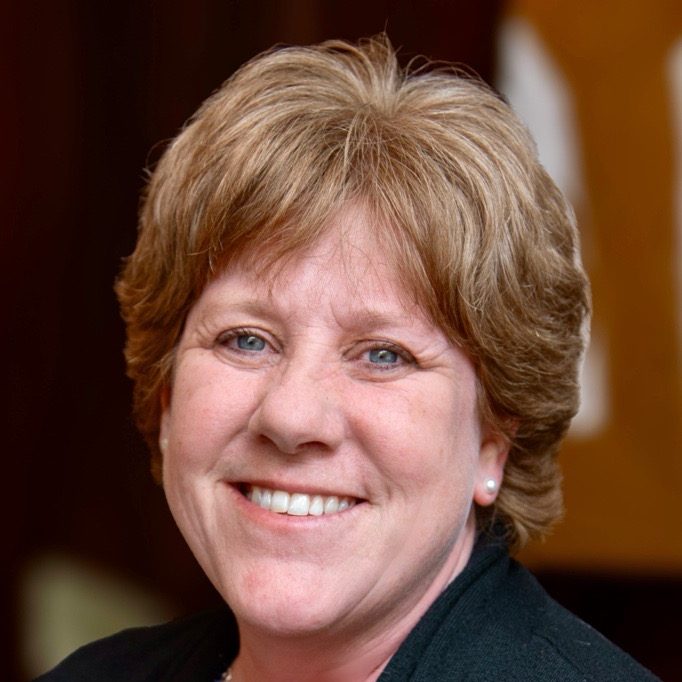
Jen Metcalf
Jen Metcalf serves as the Assistant Director of Downtown Green Bay, Inc., where she plays a key role in supporting the organization’s mission to foster a vibrant, welcoming, and thriving downtown. With a small but mighty team, Jen steps into a wide range of responsibilities—often in a project management capacity—spanning economic development, placemaking, events, and marketing. She leads the small staff, guiding day‑to‑day operations with a focus on collaboration, team culture, and community impact.
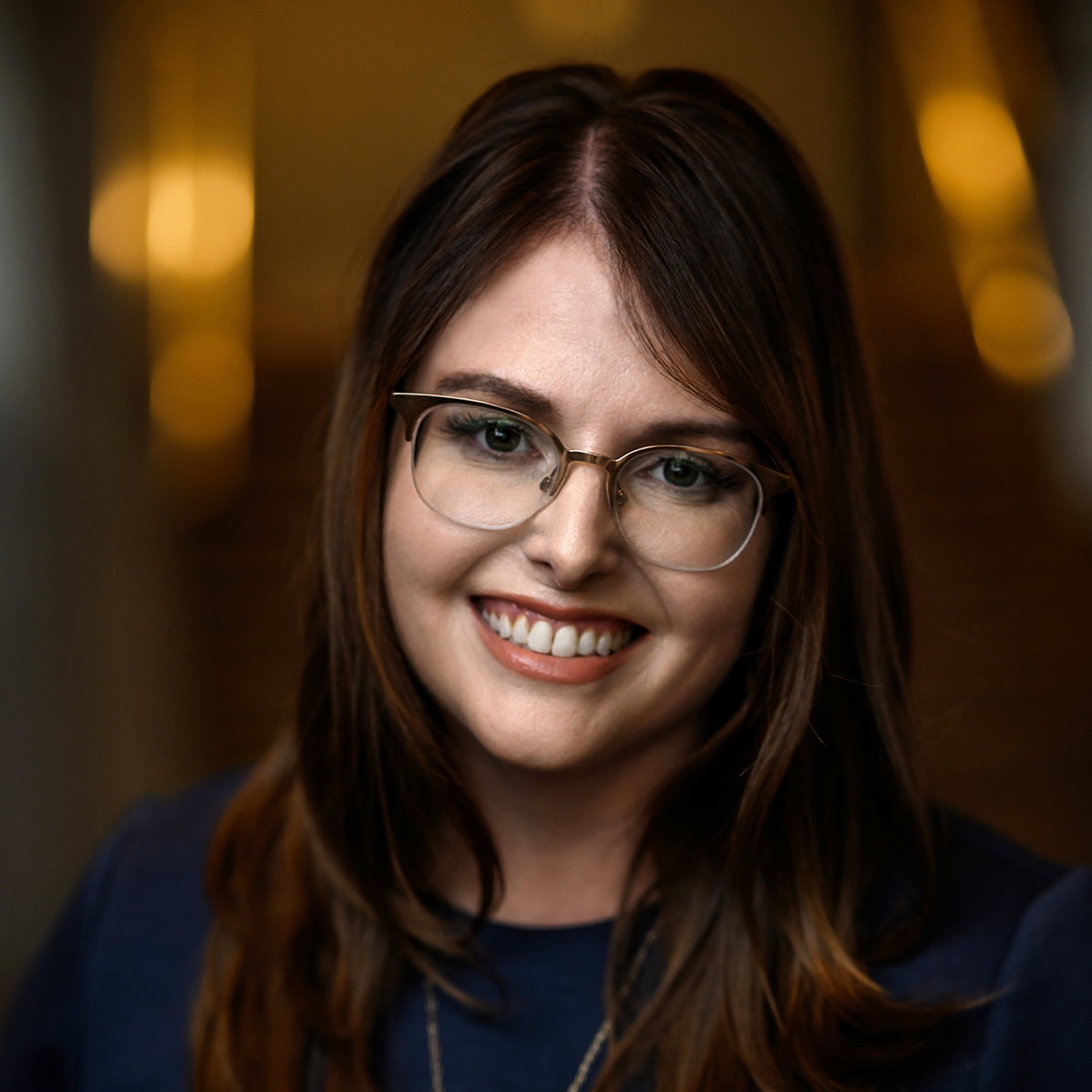
Krista Nightengale
Krista Nightengale began her career in journalism when she stumbled into the world of urban design. She discovered the Better Block Foundation, an international, urban design nonprofit that educates, equips, and empowers communities and their leaders to reshape and reactivate built environments to promote the growth of healthy and vibrant neighborhoods. In her 10 years at Better Block, Krista has worked with neighbors in more than 145 cities to rethink streets, turn parking lots to plazas, and identify the barriers keeping communities from enjoying their public spaces. The work has resulted in economic development, calmed streets, and has lowered crime rates. But most importantly, it brings neighbors together.
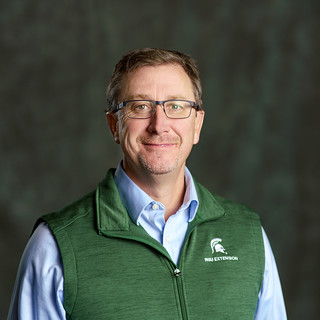
Andy Northrop
Andy holds a statewide appointment with Michigan State University Extension’s Community, Food, and Environment Institute. Andy’s expertise fosters cross-sector capacity building, leadership and community development, land use and government initiatives, entrepreneurial ecosystems, and sustainable tourism for rural economies. He is also part of the College of Agriculture and Natural Resources 2022 Global Scholars inaugural cohort focused on expanding international programs, and a graduate of 2018 National Extension Leadership Development program.
Prior to joining MSUE, Andy’s career spanned more than ten years working abroad across multiple countries. His global experience coupled with his MSUE role fosters the community transformations necessary to create and sustain places where people want to live, work, play, learn and return.
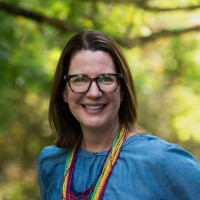
Rebecca Payne
Rebecca Record Payne, MPH, MURP, AICP is a community development professional whose work sits at the intersection of public health, community relations, and urban planning. She brings comprehensive experience leading and supporting initiatives focused on sustainable communities, health equity, and safe, inclusive environments. Rebecca has worked across local government, nonprofit, and educational settings, building partnerships with community members, public agencies, and cross‑sector stakeholders. Her background includes project and grant management, policy and program development, data analysis, and public engagement. She has contributed to initiatives ranging from Vision Zero and active transportation planning to community wellness education and aging‑in‑place services. She currently serves as a Health and Human Sciences Educator with Purdue Extension, where she develops and delivers educational programming and collaborates with local coalitions to address identified community health needs. Rebecca holds a Master of Public Health and a Master of Urban and Regional Planning and was recognized with the 2023 Steven P. Wallace Emerging Advocate Award by the American Public Health Association’s Aging and Public Health Section.
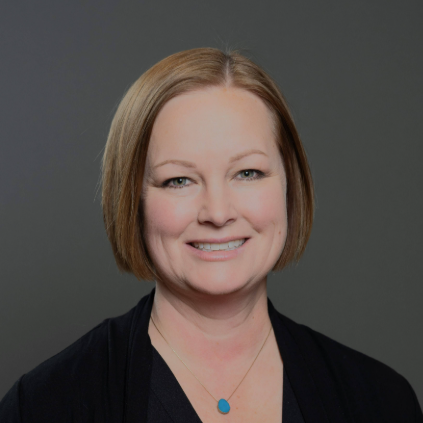
Dr. Kara Salazar
Dr. Kara Salazar is Assistant Program Leader for Community Development with Purdue Extension and Sustainable Communities Extension Specialist affiliated with Illinois-Indiana Sea Grant and Purdue University’s Department of Forestry and Natural Resources. She leads multidisciplinary initiatives that support environmental planning, community development, and sustainability across Indiana and the Great Lakes region. Kara holds a Ph.D. in natural resources social science from Purdue University and professional credentials, including AICP. Her work emphasizes collaborative planning, inclusive public forums, and data informed policy and design interventions focused on resilience, green infrastructure, hazard mitigation, parks and public spaces, and renewable energy.
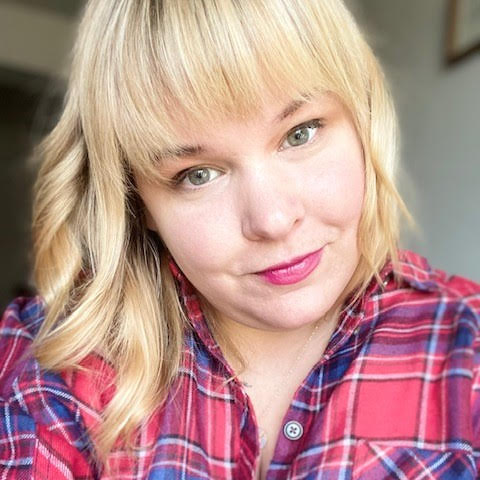
Elena Stephenson
Elena Stephenson is based in Kansas City and well versed in performing, directing, and educating. She holds a BFA in Acting/Directing from ACU, as well as a MA in Applied Theatre for Colleges and Communities from NYU Steinhardt. She has worked as a teaching artist and curriculum consultant for 15+ years. Her essay “The Fundamentals of the Pedagogy of a Teaching Artist” was published in The Teaching Artist Journal, Vol 1 Issue 15. She has worked as a Lead Teaching Artist for The Coterie, as well as a Pre-K Drama Teacher for KC based arts organization, Shining Stars. Before joining the team at The University of Missouri’s Extension and Engagement Program, she worked as the Theatre and Performing Arts Coordinator for the award-winning recreation and culture facility, The Johnson County Arts and Heritage Center, located in Johnson County, Kansas. She sees the inherent value that the arts and community engaged art projects bring back to the community.
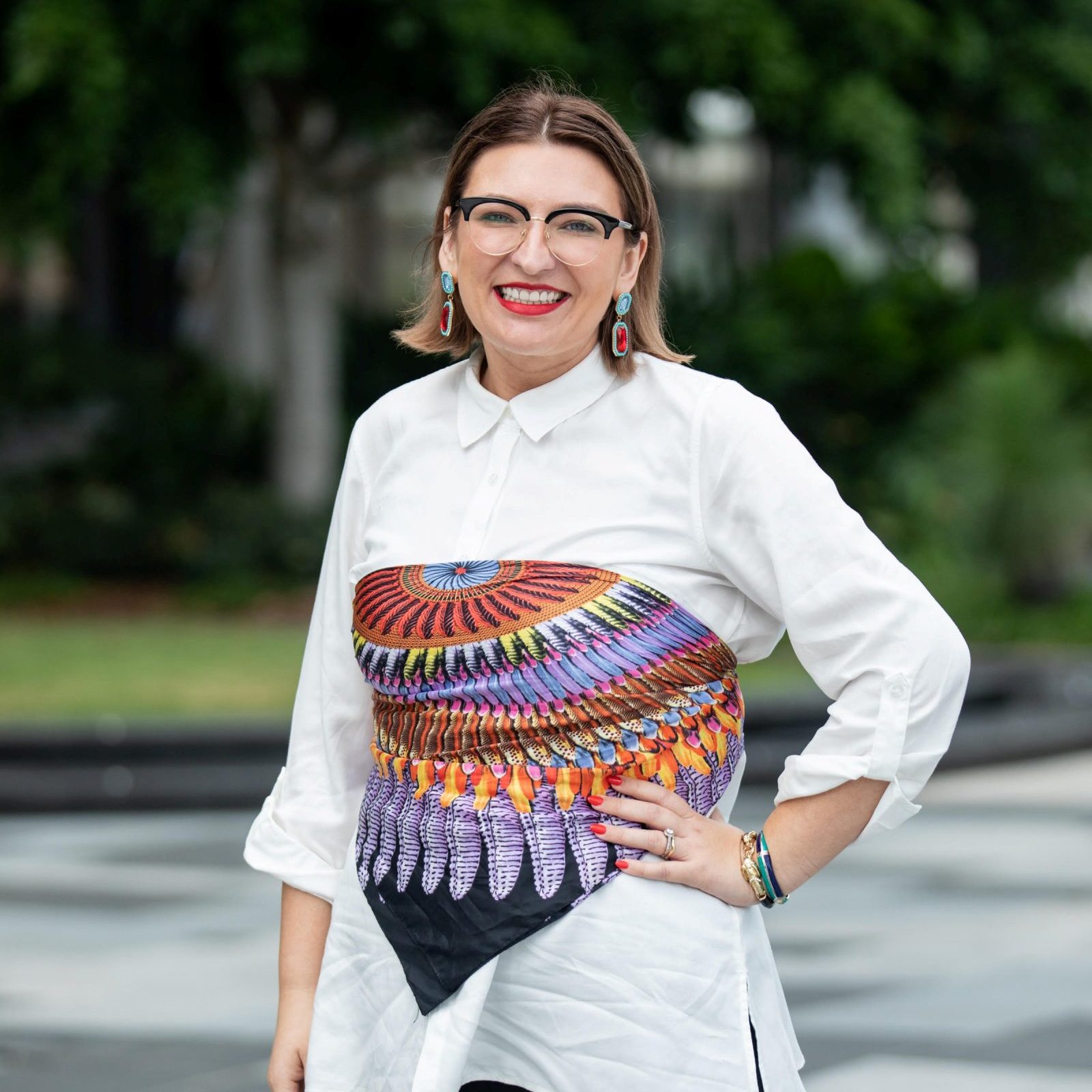
Courtney Strow
Courtney Strow is a placemaking and creative industries practitioner based in Ipswich, Australia, the oldest provincial city in the state of Queensland. Courtney serves as Creative Industries Lead at Ipswich City Council, where she works with local government, artists, businesses and community groups to grow long term creative environments. Her work focuses on how arts, culture and community action can activate public spaces, strengthen civic life and support the social and economic vitality of suburban communities. She brings experience in community engagement, cultural development and local government strategy, advising elected officials and delivering regional engagement programs that connect creativity with place and economic development. Her work has been recognised by Place Leaders Asia Pacific for its contribution to community engagement and localised cultural development. Courtney also serves on the board of Town Team Movement, supporting community led placemaking.
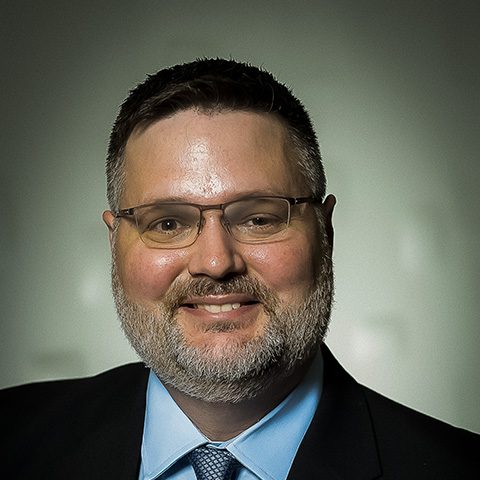
Dr. Aaron Thompson
As a landscape planner Dr. Aaron Thompson’s teaching and research focus on using applied social-ecological science to achieve better decision making at the interface of land use planning and natural resource management. Prior to joining Purdue’s Department of Horticulture & Landscape Architecture he served as an Associate Professor at the University of Wisconsin-Stevens point and a land use specialist with UW-Extension where he worked with community, government, and non-profit partners to support collaborative planning statewide. He holds three degrees from Purdue University, including: Ph.D. in Natural Resource Social Science (2010), M.S. in Natural Resource Planning (2007), and B.Sc. in Landscape Architecture (2002). His research explores what motivates landowners to engage in conservation efforts, uses spatial analysis and geodesign techniques to visualize and respond to changing land use, and identifies pathways for improving stakeholder participation across three primary areas, including: landscape preservation and stewardship, human dimensions of water resource management, and sustainable community development.
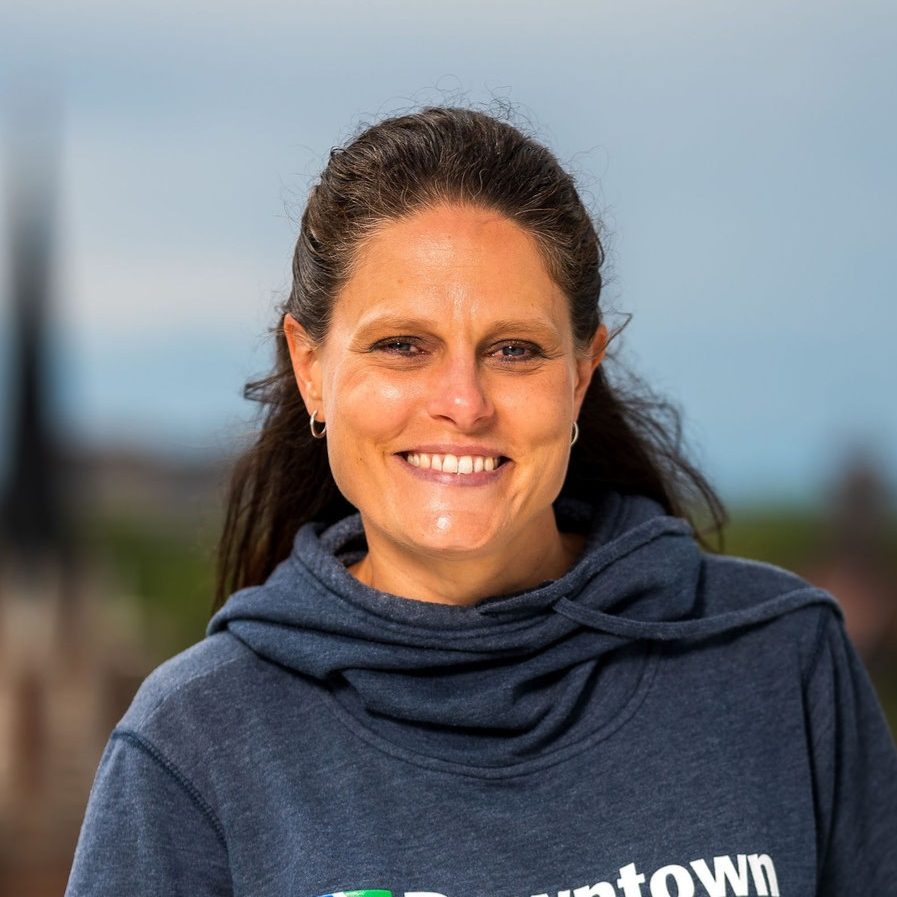
Jenny VandenLangenberg
Jenny is passionate about placemaking and downtown beautification, with a focus on creating welcoming, memorable experiences for everyone who visits Downtown Green Bay. Her work spans cleanliness and safety initiatives, banner and streetscape programs, and the coordination of public art, all grounded in strong partnerships with the City of Green Bay and community stakeholders. With more than 10 years at Downtown Green Bay, Inc., Jenny brings deep institutional knowledge and a collaborative approach to supporting continued growth, stewardship, and positive change in the downtown.
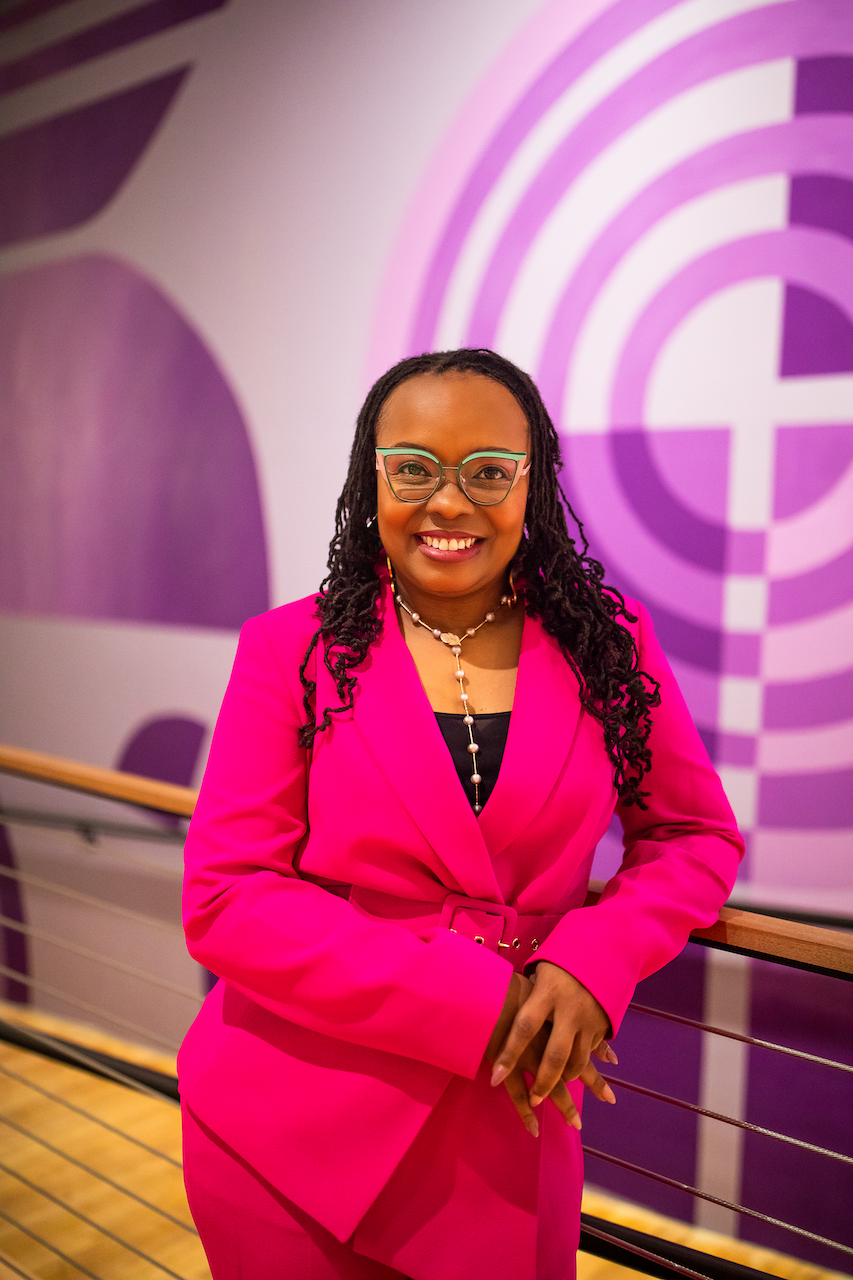
LaShawndra Vernon
LaShawndra Vernon is a creative entrepreneur specializing in creative and community placemaking. She translates global sustainability goals into local policies, leveraging the arts for transformation. With expertise in fiscal management and strategic communication, her leadership includes serving as Chair of the Bronzeville Advisory Committee (Milwaukee) and on the Wisconsin Arts Board. She is also a multidisciplinary artist (Firey Phoenix), published author, and Crisis Analysis & Mitigation (CAM) coach. She holds an M.A. in Public Service.
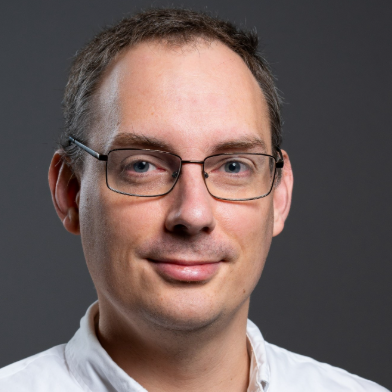
Daniel Walker
Daniel Walker is a Community Development Regional Educator located in the Purdue Extension Community Development Program and the Purdue University Department of Forestry and Natural Resources//Illinois-Indiana Sea Grant. Daniel collaborates with Purdue Extension staff, community leaders, stakeholders, and interest groups within the Great Lakes Region through programs that combine research-based tools with community planning processes to help community leaders engage with stakeholders on complex issues. Daniel is a member of the American Institute of Certified Planners, and brings regional, county, and municipal planning and economic development experience to the program. Daniel holds a Master’s degree of urban and regional planning from Ball State University and a Bachelor’s degree from Monmouth College (IL). He also earned a secondary educator’s license in the State of Illinois.
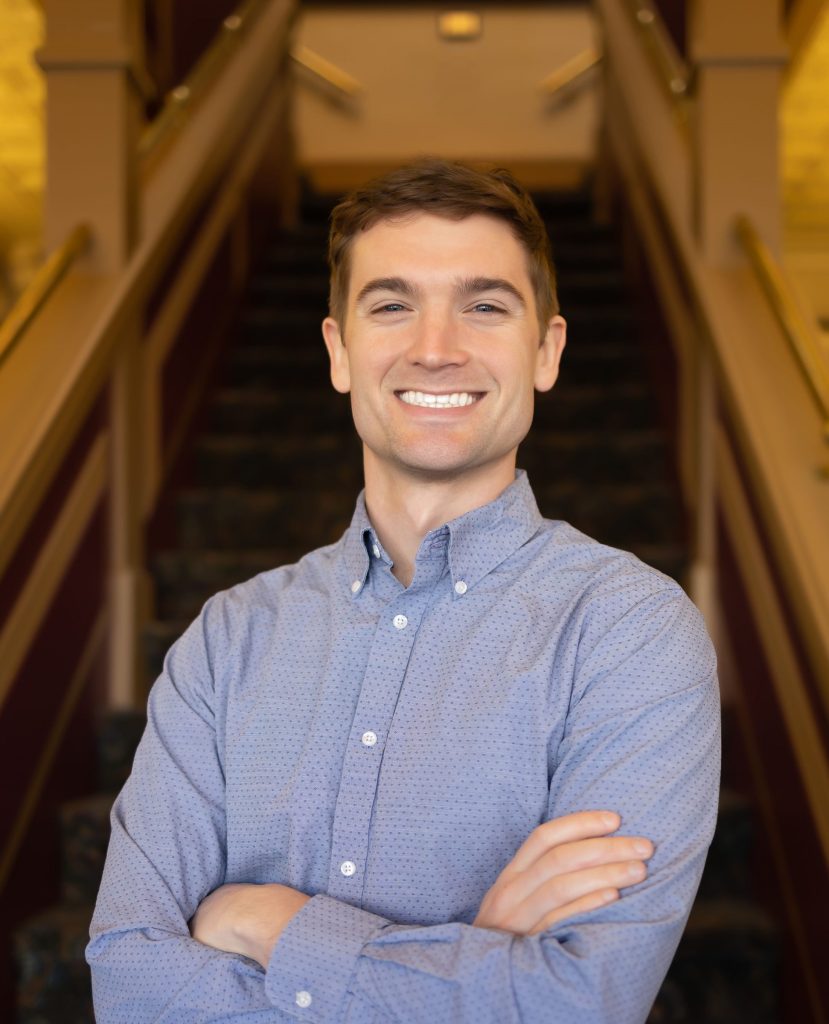
Jeff Walker
Jeff Walker is the Community Vitality Specialist for Purdue Extension Community Development. Located in Vernon, Indiana, he collaborates statewide with community stakeholders, partners, local Extension professionals, and campus Extension specialists to promote and coordinate the Community Vitality Program funded by the Downing Endowment for Community Vitality.
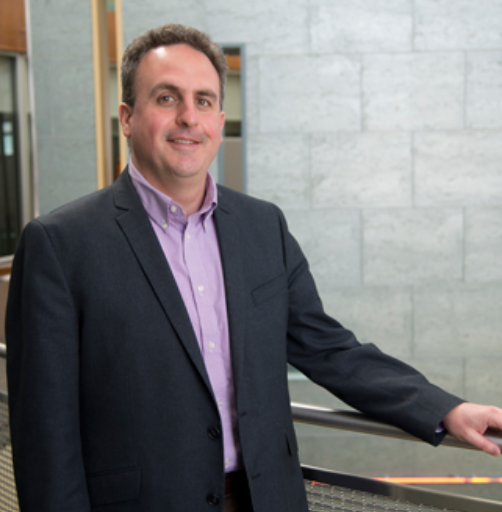
Dr. Michael Wilcox
Dr. Michael Wilcox is Purdue Extension’s Assistant Director and Program Leader for Community Development and Associate Director of the North Central Regional Center for Rural Development (NCRCRD). Michael is also a Community and Regional Economics Specialist in the Department of Agricultural Economics. As Assistant Director and Specialist, Michael furthers the mission of Purdue Extension by fostering innovative, high-impact Extension programs. Michael’s Extension and research integrate the economic, environmental and social dimensions of sustainability into addressing community and regional economic issues, with a focus on entrepreneurship, placemaking, and community capacity building. Michael co-leads the NCRCRD’s regional efforts focused on leadership and civic engagement, community resiliency and health and wellness. He is also a Senior Associate at the Purdue Center for Regional Development, leading and supporting Center projects related to regional development.
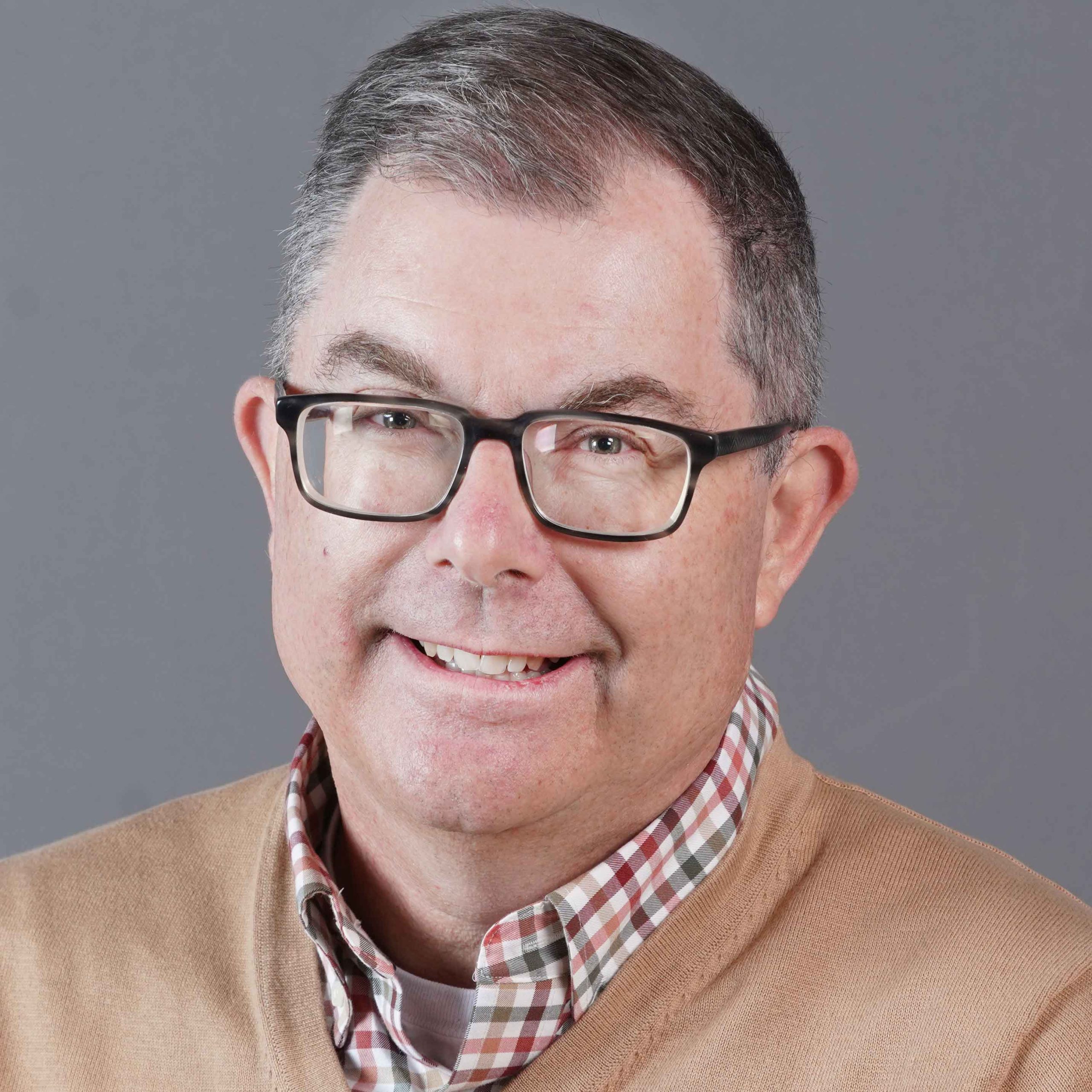
Steve Yoder
Steve Yoder is a Regional Educator in Community Development for Purdue Extension, joining the staff in 2012. His responsibilities include the design, refinement and delivery of high-quality educational programs that address local and regional needs throughout Indiana. His work focuses on the themes of quality places and community and organizational development, drawing on over 16 years of experience as an administrator and educator within the field of environmental and scientific nonprofits. Steve holds a B.S. in Social Ecology from the University of California, Irvine, and an M.S. in Rural Geography from Northern Arizona University.