March 2022 — Statistical data assembled in your market analysis can be used to establish goals and measure progress (benchmarking) related to the downtown economy. The data can be used to create a statistical snapshot or profile to help inform prospective business operators and investors about the market as well as demonstrate downtown’s importance in […]
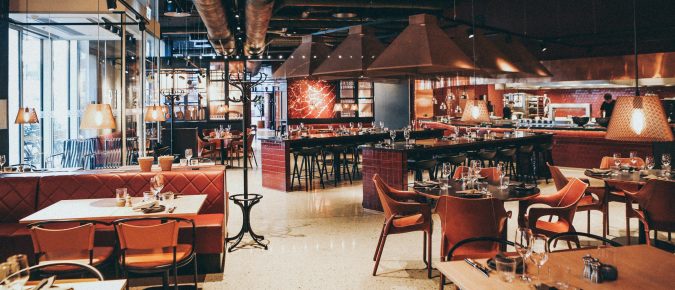
National Restaurant Association Downtown Restaurants by N. David Milder, DANTH, Inc. March 2022 — Restaurants and culinary experiences can be extremely valuable additions to a downtown area. They serve downtown workers and residents as well as attract visitors to the center of the community. They serve both an economic and social role in the community, […]
2022 State of the Hotel Industry Report March 2022 — This section explores market opportunities for new lodging accommodations in the downtown area. It will help you understand travel and visitation trends, existing competition, traveler market segments in the area, and projected room night demand. This section will help you project the occupancy and average room […]
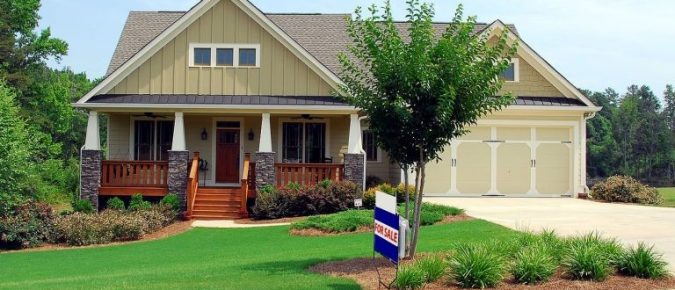
March 2022 — Housing is an essential element in the revitalization of downtown districts. Demographic and lifestyle changes create new opportunities for specific residential segments and housing categories. This section provides an abbreviated method for assessing general market opportunities using a simple demand and supply analysis for a community. A more focused assessment of downtown […]
Art and Entertainment events can draw people downtown and increase economic activity in a variety of business categories. These events can attract people downtown who normally would not visit.
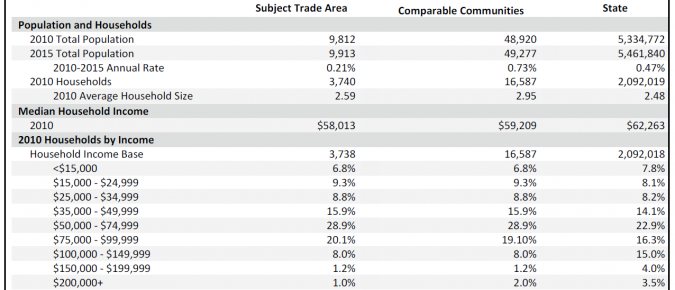
This section explains how demographic data can be used to better understand the current and potential residents of your downtown. Demographic and lifestyle data can give you a starting point for an in-depth analysis of specific business and real estate development opportunities. This data also can help the broader community understand how it is changing.
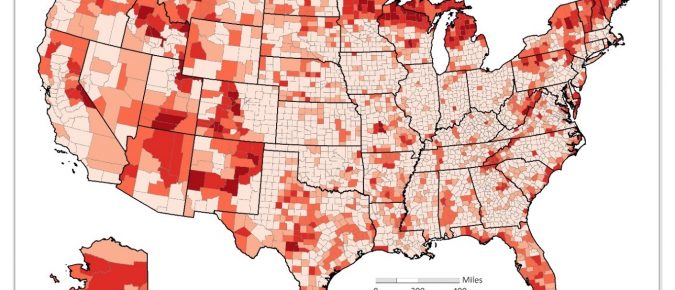
The development of seasonal and recreational housing units in Wisconsin reflects the economic transitions of many counties that were formerly dependent on natural resource extraction to a current reliance on services, hospitality, and recreation. With these transformations also come regional opportunities and challenges related to the growth of seasonal and recreational housing.
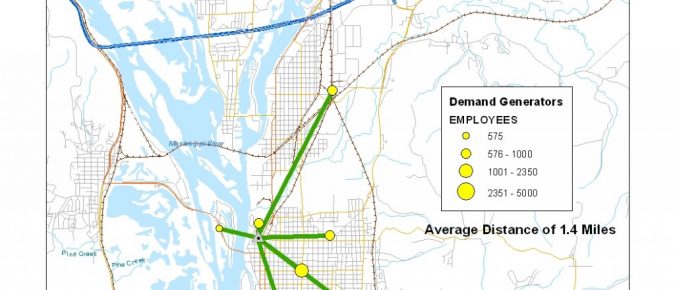
Defining a downtown or business district’s trade area is an important first step in any market analysis. This step is crucial because it defines the boundaries that will serve as the basis for further study. It also helps individual businesses identify opportunities to expand their own trade area.
In this webinar, we discuss how city leaders, businesses, property owners, and others can “shape their city” for the betterment of all and how Business Improvement Districts (BIDs) can be used as a tool in that process. The focus of the webinar is on leadership and partnerships that help create an effective downtown organization.
Community Vitality + Placemaking Fact Sheet Imageability Mapping Overview September 2021 — MIT Professor and author Kevin Lynch developed imageability mapping in order to describe the unique relationships of urban elements within a given city. The University of Wisconsin-Madison, Division of Extension has adapted his approach to help communities better understand themselves. Using a group […]
Nonemployer establishments, sole proprietorships and partnerships without any paid employees, are an important part of the country’s economy. As of 2018, they made up a large and quickly growing share of businesses in the United States at 77% of the total while the other 23% of establishments were employer businesses [1]. Given that nonemployer establishments are businesses without employees, they are predominantly independent contractors who work for themselves or small businesses operated only by the owner(s) or unpaid members of their family.
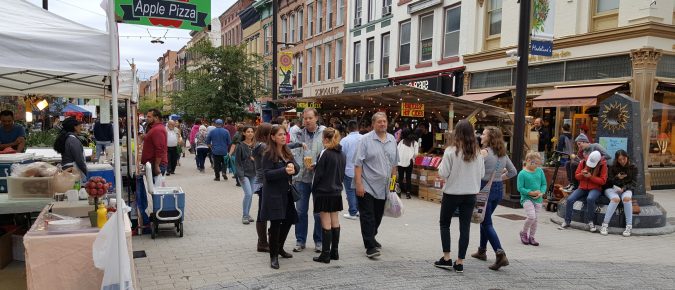
June 2021 — This topic in Downtown Economics summarizes key points or “takeaways” from the recent webinar titled Shaping Downtown after COVID 19. The well-attended webinar highlighted examples of successful initiatives in four cities: Ithaca, New York, and Appleton, Eau Claire, and La Crosse Wisconsin. The following takeaways are presented without significant editing. You may […]