

Home » RESET: Renewable Energy Siting & Engagement for Tomorrow » Environmental Impacts
Environmental Impacts
RESET: Engaging Wisconsin Communities in Renewable Energy
Environmental Impacts

Environmental Impacts of Large-Scale Solar
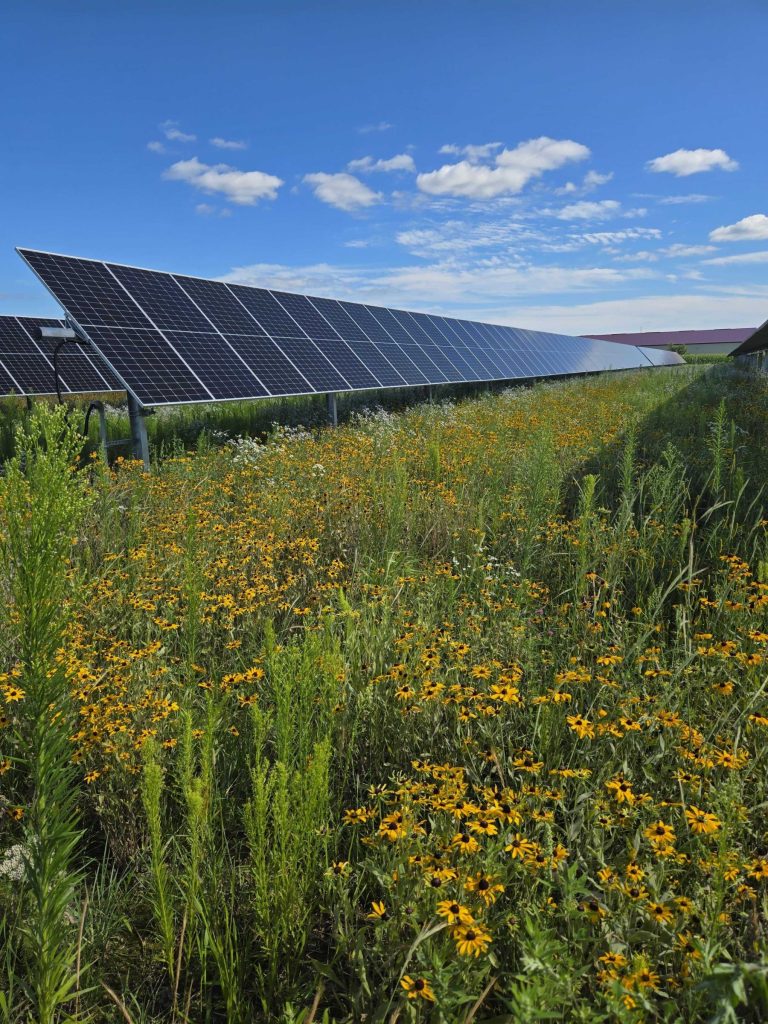
Large-scale solar projects can affect soils, water resources, habitat, and air quality, though impacts vary depending on site conditions and management practices. The greatest potential impacts to soils and water typically occur during construction and decommissioning, when soil disturbance can increase compaction, runoff, and erosion. These impacts can be reduced through best management practices and careful site management.
Environmental FAQs
The greatest potential impacts to soil health from solar projects typically occur during construction and decommissioning, when heavy equipment and soil disturbance can increase soil compaction and erosion. Developers can reduce these impacts by minimizing grading and topsoil movement and following best management practices during construction. See the Wisconsin DNR’s Best Management Practices for Solar Energy Projects for additional ways to minimize soil damage during construction.
Solar projects can affect water resources differently depending on site conditions and management practices. Construction and decommissioning pose the greatest risks due to soil disturbance and compaction, which can increase runoff and erosion. These impacts can be reduced by following best management practices such as the Great Plains Institute’s Photovoltaic Stormwater Management Research and Testing (PV-SMaRT) project. When solar replaces row crops and sites are planted with perennial, deep-rooted vegetation, projects can improve water quality and reduce runoff and erosion.
The impact of solar projects on habitat and wildlife depends on the condition of the land before construction. In previously cultivated areas, habitat can improve if native or pollinator-friendly vegetation is added after construction. Careful siting, permeable fencing, and wildlife corridors can help minimize disruption to wildlife movement. Tools like The Nature Conservancy’s interactive Site Renewables Right map can help identify critical wildlife areas and support informed site planning decisions.
Solar development reduces greenhouse gas emissions and other air pollutants associated with fossil fuel-based electricity generation. Life cycle analyses show that large-scale solar projects produce approximately 90% lower emissions than natural gas, helping reduce climate change impacts.
Environmental Impact Resources
Best Management Practices for Solar Energy Projects
This guide from the Wisconsin Department of Natural Resources explains simple steps to help plan, build, and manage solar projects in a way that protects wildlife, water, and land. It gives practical tips for things like site selection, stormwater, vegetation, and what to do when the project ends.
Photovoltaic Stormwater Management Research and Testing (PV-SMaRT)
PV-SMaRT is a tool from the National Renewable Energy Laboratory that helps communities understand the economic benefits of solar projects, like jobs, local spending, and tax revenue. It provides easy-to-use data to show how solar can impact local economies.
Interactive Site Renewables Right map
The Nature Conservancy’s Site Renewables Right map is an interactive tool that helps identify the best locations for solar and wind projects by combining data on land use, engineering, and wildlife habitats. It allows developers and communities to plan renewable energy projects in ways that minimize environmental impacts and avoid conflicts with important ecosystems.

RESET: Engaging Wisconsin Communities in Renewable Energy
Contact RESET:
3500 University Avenue, Madison Wisconsin, 53705