

Home » RESET: Renewable Energy Siting & Engagement for Tomorrow » Land Use
Land Use

Land Use
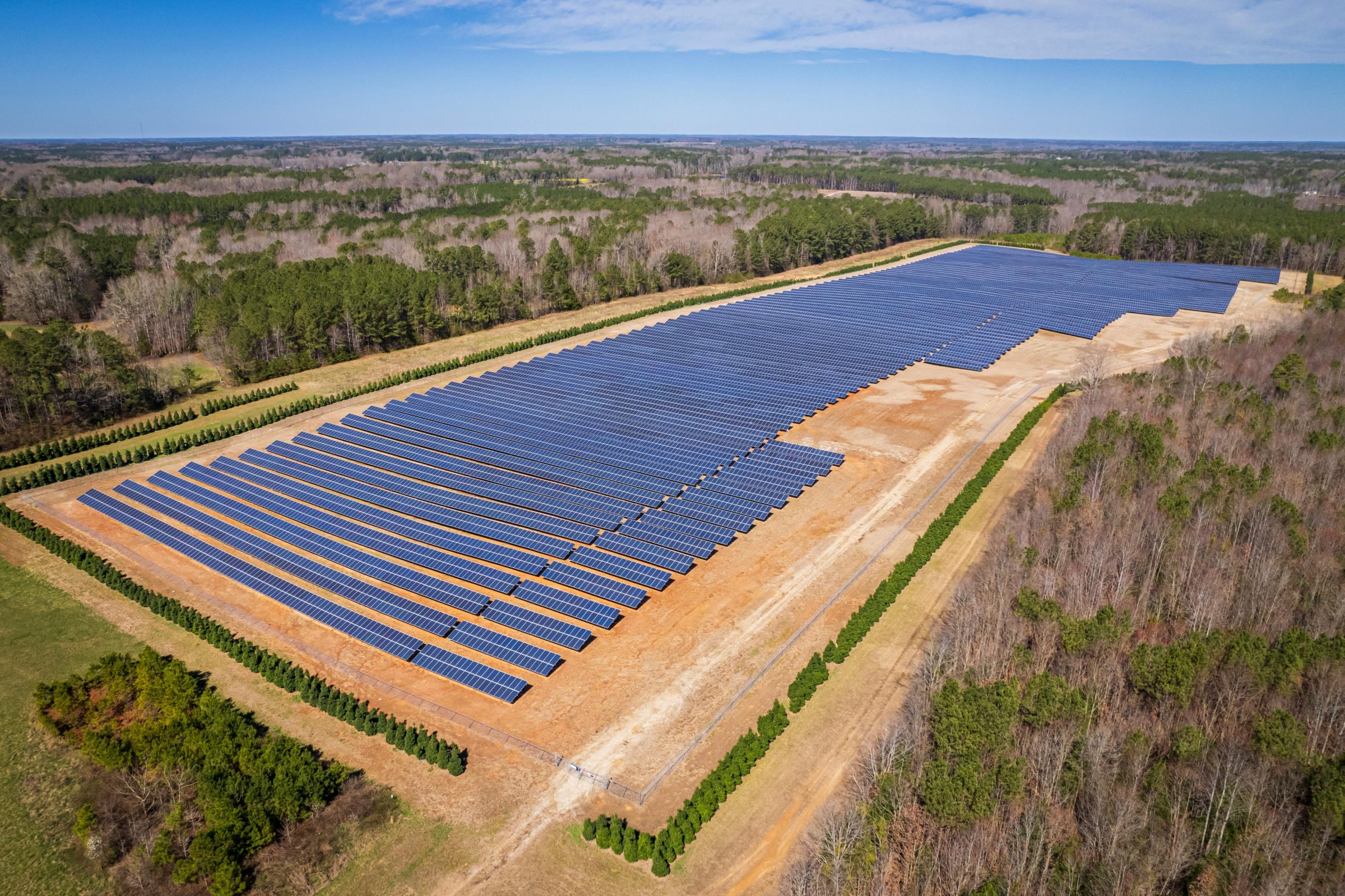
In Wisconsin, most utility-scale solar projects are located on flat, open land near transmission lines and utility infrastructure. Communities often raise concerns about removing productive land from agriculture and the visual impacts of these projects.
Land Use FAQ
Large-scale solar projects are most efficient and profitable on large parcels of flat land with deep soils and no trees or buildings, as these sites are easier to connect, more affordable, and ready to build. Because of this, they are often sited on farmland. Although solar projects on buildings, parking lots, and brownfields are all viable and important for energy independence and grid resilience, they are not able to replace utility-scale energy generation facilities on open land.
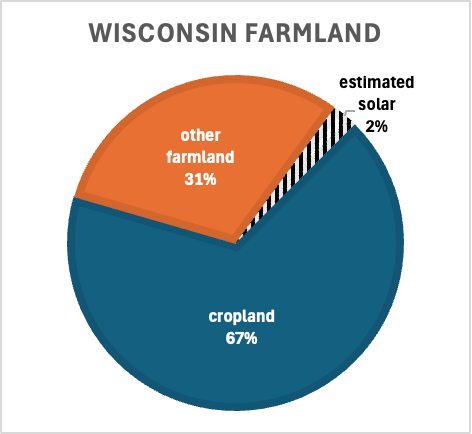
Like any form of development, solar projects may increase the cost of agricultural land nearby. The UW Stevens Point Center for Land Use Education estimated that for Wisconsin to fully meet its renewable energy goals would require roughly 340,000 acres of solar generation which amounts to roughly 3.5% of the cropland in the state, or 2% of the state’s farmland. Further, applications for projects larger than 100 megawatts are required to have plans to minimize the impact on the long-term agricultural potential of the site, including practices to minimize damage to soils and tile drainage and plans to restore the site.
What are the opportunities for Dual-use solar?
Solar project land can support additional uses alongside energy production. This is called dual use, and when combined with agriculture, it is known as agrivoltaics. You can find more information on RESET’s Agrivoltaics page. Further, the Solar Grazing Checklist created by RESET provides guidance for farmers and solar site managers interested in grazing sheep at solar sites.
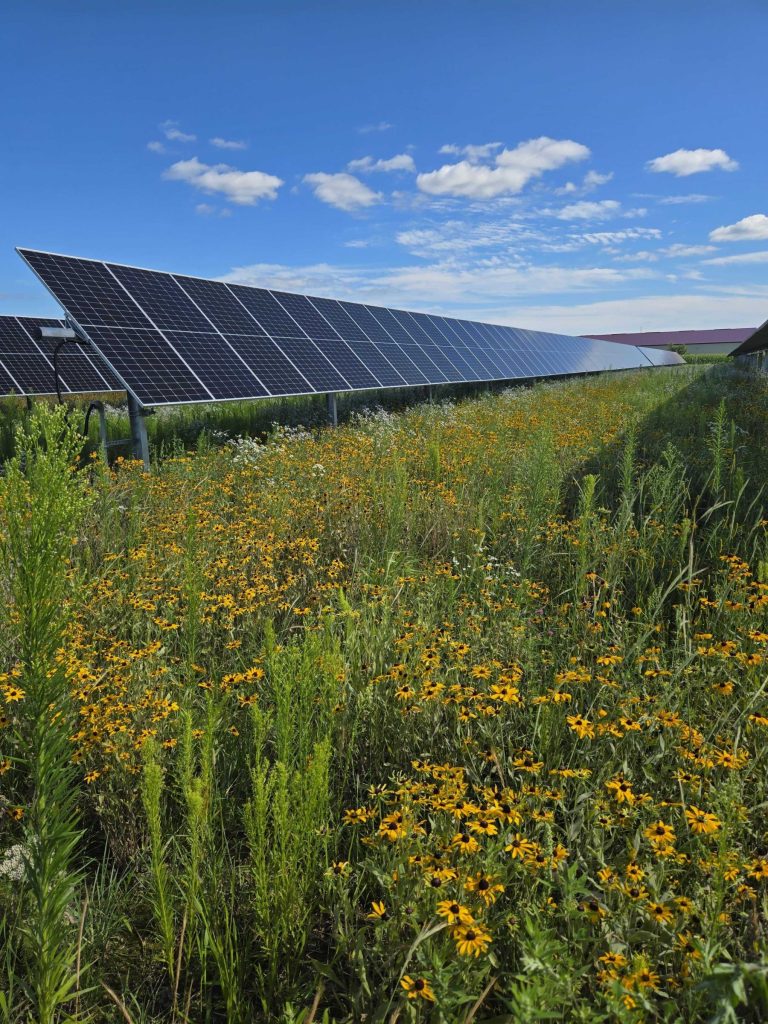
Projects can host diverse native plants to support pollinators and other beneficial wildlife. Many solar project operators plant a diverse mix of native grasses and flowering plants to hold the soil in place and provide environmental benefits. The University of Illinois-Chicago provides a Pollinator Planting Implementation Manual and other Toolkits for more information.
Some crops and livestock can be integrated with solar panels. The most common and successful example is sheep grazing. Sheep keep vegetation low, protect soil, and provide income to farmers, while panels offer shade and existing fencing helps with containment and predator control.
There are ways to reduce changes to the viewshed so that large-scale solar development does not harm the communities scenic beauty or tourism revenue. Developers can plant trees and shrubs around solar projects to reduce visibility of the project from neighboring properties. Other practices that can improve the aesthetics of solar facilities include planting the site with native flowering plants and sheep grazing.
Land Use Resources
Solar Grazing Checklist
RESET provides farmers and solar site managers with a checklist of the key steps for a successful solar grazing system.
Guide: Conducting a Solar Resource and Infrastructure Assessment
UMass Amherst Clean Energy Extension created a guide for community-informed and proactive solar siting.
Brownfields to Brightfields: State Policy Models to Facilitate the Reuse of Degraded Lands for Renewable Energy
Colorado State University Center for the New Energy Economy examines strategies to promote siting renewable energy projects on degraded lands.
Developing Solutions for Brownfield Renewable Energy in Michigan
University of Michigan’s resource to advance brownfield renewable energy across Michigan.

RESET: Engaging Wisconsin Communities in Renewable Energy
Contact RESET:
3500 University Avenue, Madison Wisconsin, 53705