

RESET: Renewable Energy Siting & Engagement for Tomorrow
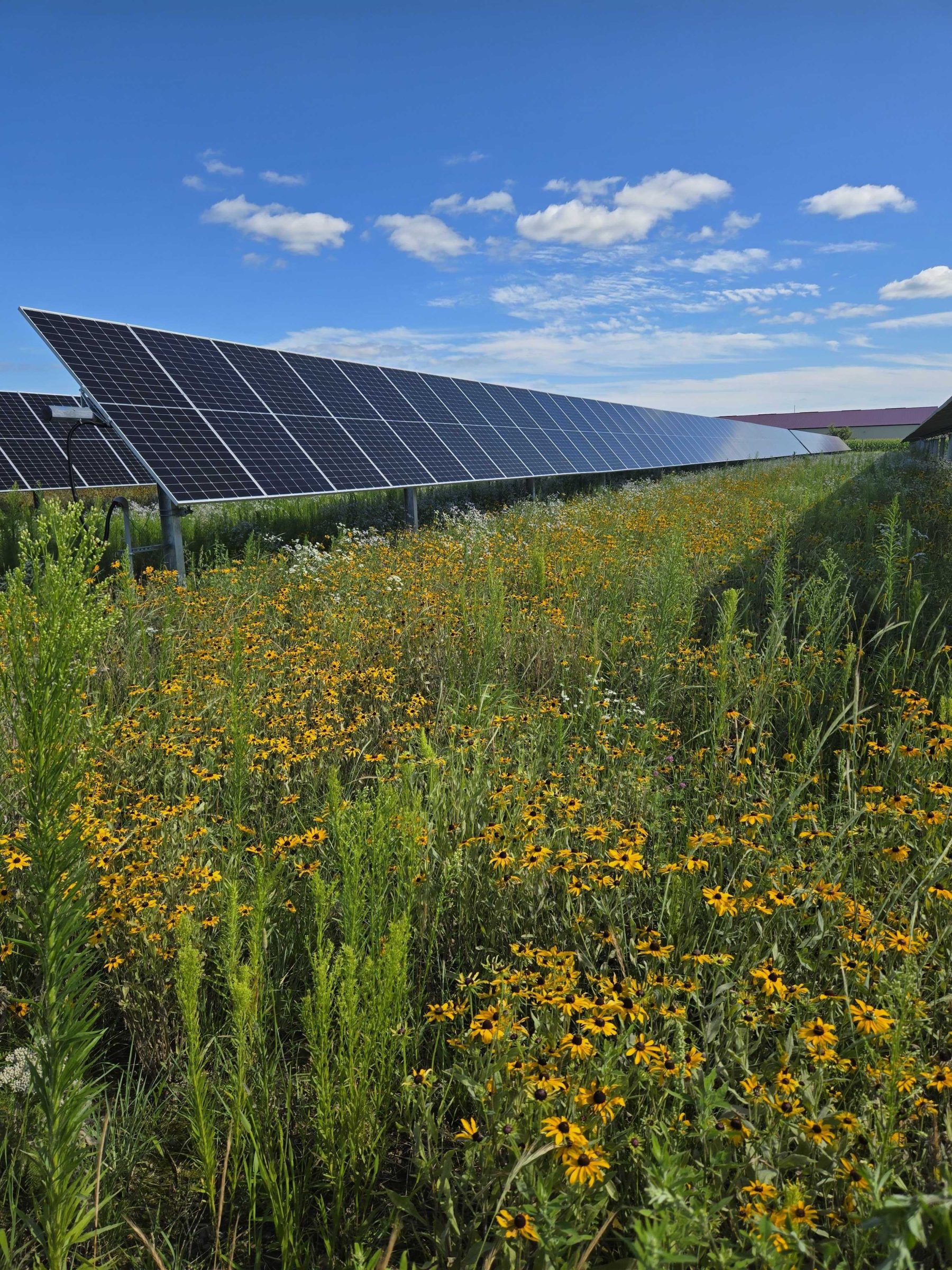
RESET: Engaging Wisconsin Communities
in Renewable Energy
Wisconsin’s electrical grid is changing. Communities can prepare and plan for renewable energy. RESET can help.
Renewable Energy Siting & Engagement for Tomorrow (RESET) helps communities develop local priorities so they can have input with developers on large-scale solar and wind projects.
As large renewable energy projects increase across Wisconsin, they can bring both benefits and challenges. Proactive education and engagement can address concerns and help communities plan for the future.
By learning more about large-scale renewable energy and actively participating in community conversations, you will be better prepared when a project is proposed. RESET provides tools and resources to more effectively engage in the project siting process and adopt agreements and ordinances to support community values.

Featured Events
Renewable Energy Academies
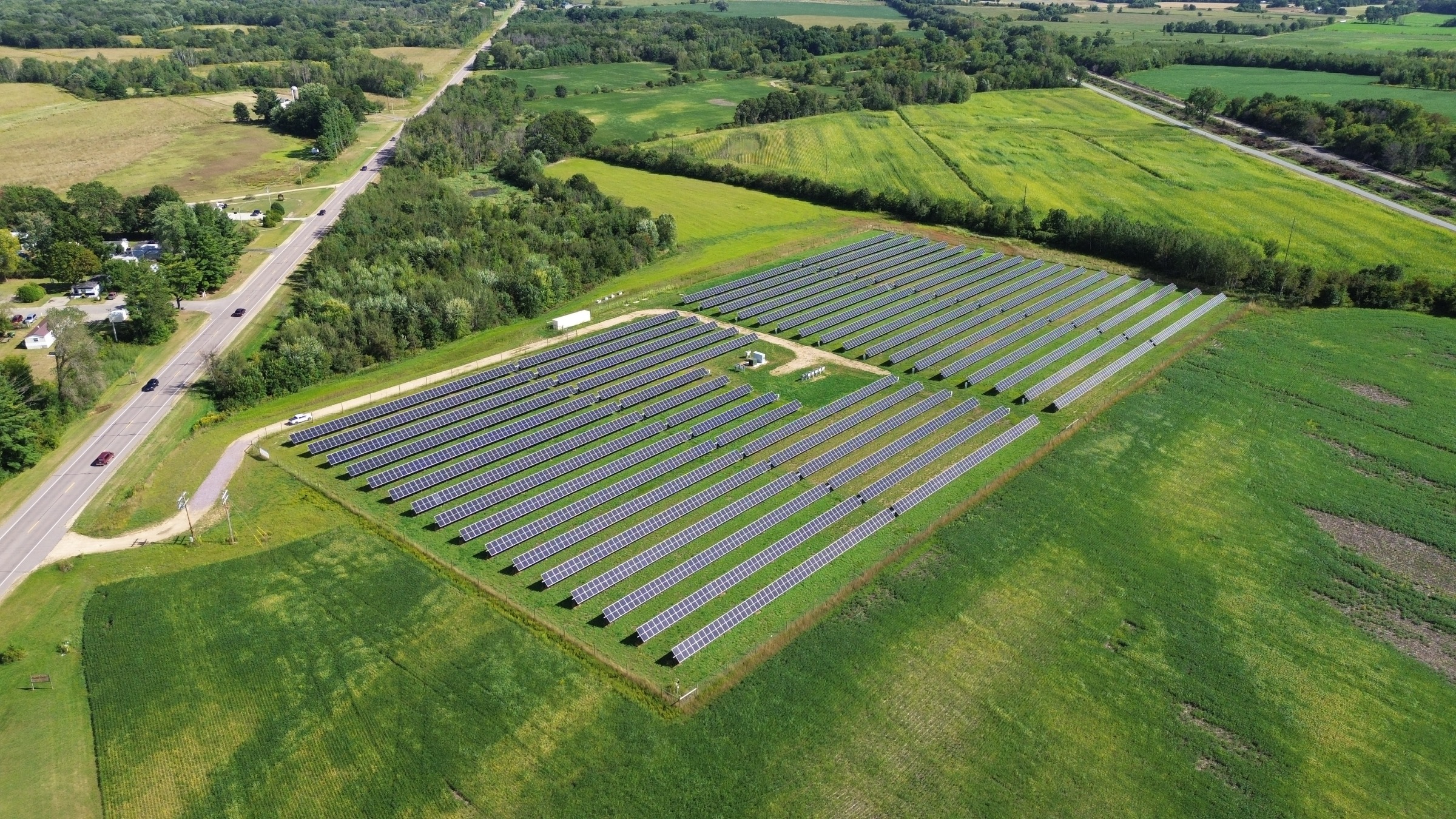
Are you a local leader who wants to learn about large-scale wind and solar siting? Attend an in-person regional Renewable Energy Academy hosted by UW-Madison Extension and collaborators.
Gain Tools and Resources to Engage Your Community
Prepare for the future by planning now.
Understand the Siting Process
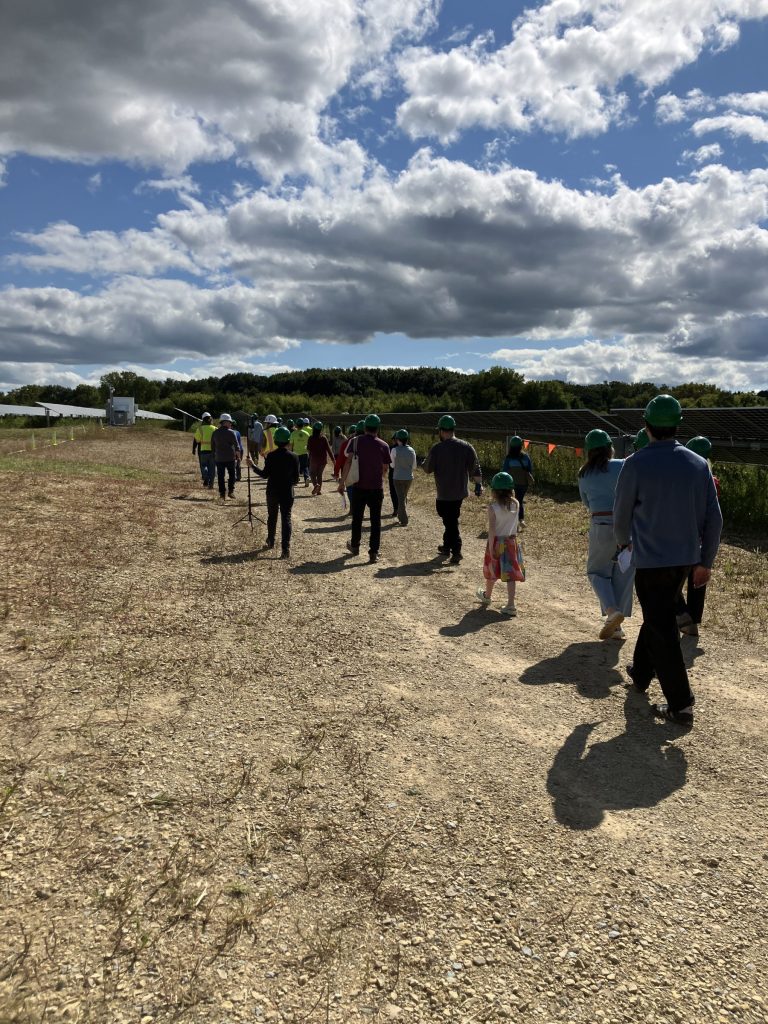
In Wisconsin, the siting process depends on the project’s size. The Public Service Commission of Wisconsin (PSC) handles permitting for all projects 100 megawatts or larger. Learn how the process works, and how local communities can still have input.
Local Government Actions
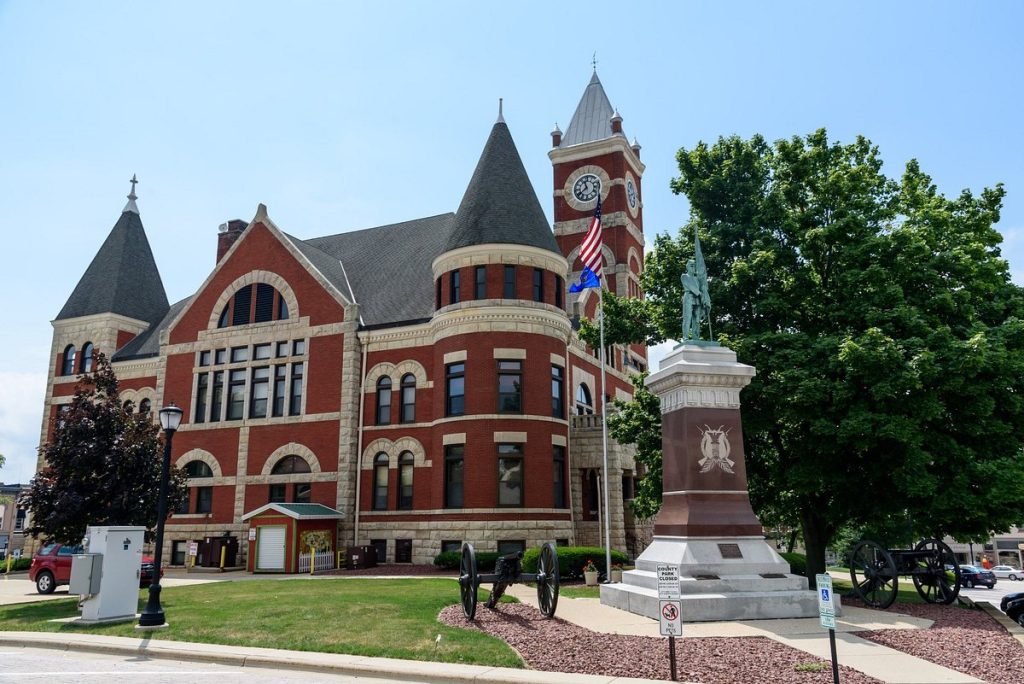
Learn about how local governments can and cannot regulate large-scale renewable energy projects. Possible actions include community engagement, passing ordinances, updating comprehensive plans, and negotiating with developers.
Large-scale Wind and Solar Impacts
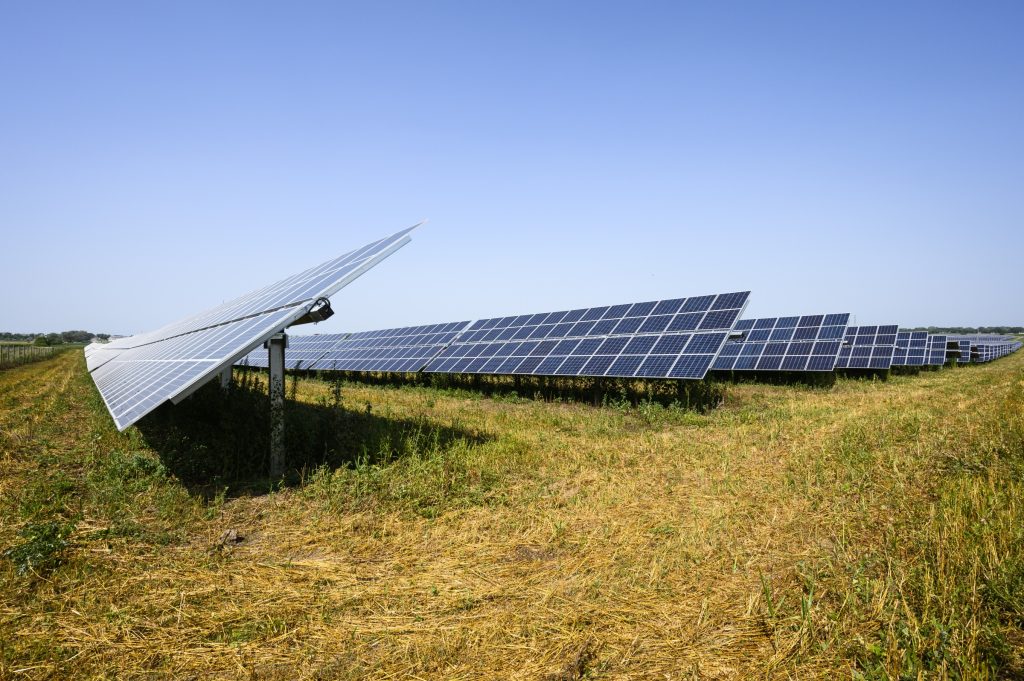
Wind and solar projects have a variety of local impacts, from increased income for landowners and communities to changes in land use and the environment. Get informed about the issues, and have a say when a project comes to your community.

Solar Land Leasing
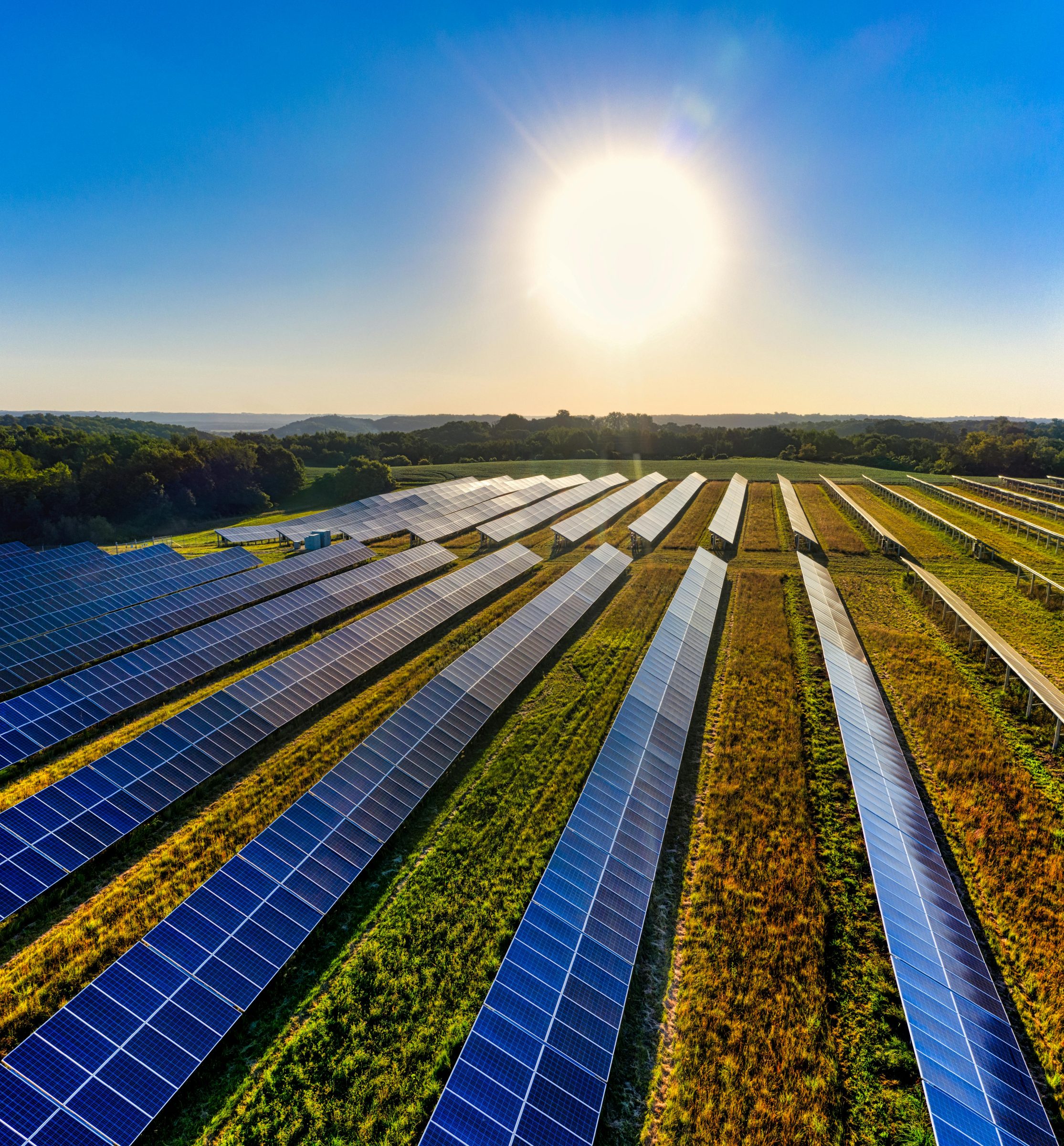
Land leasing for solar projects can provide farmers with steady revenue, but it is important to ensure that the lease protects the landowner’s property and rights. Learn about important things to consider, and some common contract terms and conditions.
Featured Resources
Solar Guidance Memo
RESET and UW-Extension’s memo on how counties, cities, villages and towns should seek guidance about which local governments may regulate solar development projects.
Model Solar Zoning Ordinance
The model ordinance offers example language local governments may draw from for guidance, helping communities understand their options and take clear, locally appropriate action.
Green County Report
The Green County Report offers a detailed example of local government action, documenting community input and showing how engagement tools can guide decisions.
Large-scale wind tour video
This video follows a tour of a large-scale wind energy facility that included participants from across Wisconsin, including farmers, conservation organizations, renewable energy professionals, and local community members.
Supported by the U.S. Department of Energy’s R-STEP Program
This material is based upon work supported by the U.S. Department of Energy through the Reliable Energy Siting through Technical Engagement and Planning (R-STEP) program. The views expressed herein do not necessarily represent the views of the U.S. Department of Energy or the United States Government.



RESET: Engaging Wisconsin Communities in Renewable Energy
Contact RESET:
3500 University Avenue, Madison Wisconsin, 53705