

Home » RESET: Renewable Energy Siting & Engagement for Tomorrow » Identifying Community Priorities
Identifying Community Priorities
RESET: Engaging Wisconsin Communities in Renewable Energy
Identifying Community Priorities

How to identify community priorities?
Before a solar or wind project is ever proposed, a community can begin identifying what matters most to its residents. That groundwork — knowing your community’s values and priorities — puts you in a much stronger position to engage with developers, inform your local officials, and participate in the state review process.
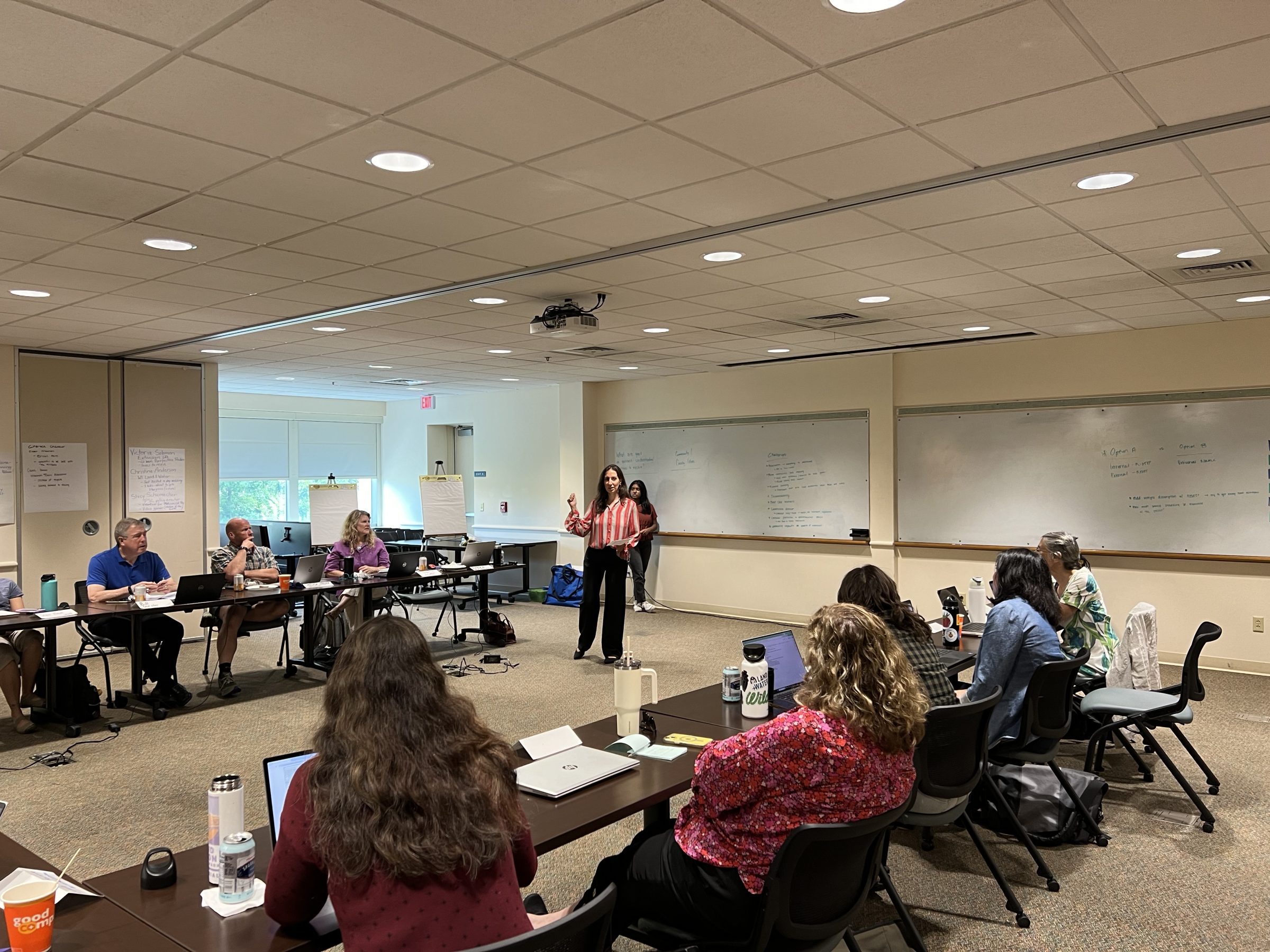
Community Engagement in Action
RESET supports communities in leading these conversations. Use the tools and guidance here to start a community dialogue, gather input from residents, and document priorities that can be referenced in public comments, ordinances, and negotiations with developers. See our County Reports page for an example of what community engagement can look like.
Identifying Community Priorities FAQ
Large-scale renewable energy and energy storage projects affect communities in a variety of ways, including the visual landscape, water, and wildlife movement. Engaging residents early in the process helps identify concerns and ensure projects reflect community priorities.
Communities can gather input in many ways, from small-group workshops and mapping exercises to surveys and public conversations. Interactive approaches, like post-it note activities or guided discussions, make it easier for people to share questions, ideas, and concerns.
The resources on this page provide tools and examples to help your community start these conversations and participate in energy planning in a meaningful way.
UW- Extension provides a sample survey that you can use in your community to identify areas of concerns.
Once you understand your community’s priorities, there are a number of actions local government can take to influence renewable energy siting, including developing ordinances for conditional use permits, updating comprehensive plans, negotiating contracts with developers, and providing education to local residents. See the Local Government Actions page for more information.
Resources for Identifying Community Priorities
RESET County Reports
RESET ran community engagement processes with Green, Taylor, and Vernon Counties, resulting in these reports that address the questions and concerns community members had about large-scale wind and solar projects.
Community Renewable Energy Siting Survey
RESET provides this survey that you can adapt and edit to better understand community opinions, concerns, and interests regarding large-scale solar, wind, and battery energy storage development.
Portage County Report
This report summarizes findings from the Community-Centered Solar Development Engagement Project, a UW–Madison Extension initiative that used interviews, focus groups, and community conversations to understand how rural Wisconsin communities engage with large-scale solar development.
A Guide to Hosting Community Conversations About Large-Scale Solar Development
This guidebook is designed to help community leaders, planners, developers, and residents engage in proactive discussions about large-scale solar development.

RESET: Engaging Wisconsin Communities in Renewable Energy
Contact RESET:
3500 University Avenue, Madison Wisconsin, 53705