

Home » RESET: Renewable Energy Siting & Engagement for Tomorrow » Local Government Actions
Local Government Actions
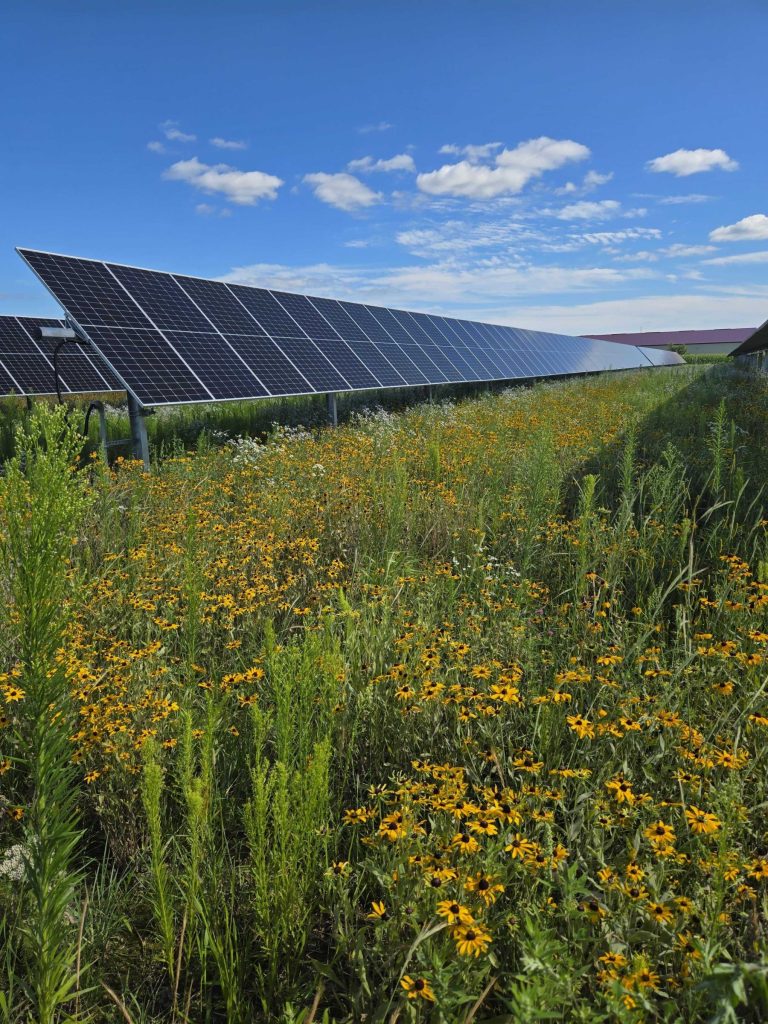
RESET: Engaging Wisconsin Communities in Renewable Energy
Local Government Actions

Local Government Actions
Large-scale renewable energy projects bring both opportunities and questions for local governments. While the state’s Public Service Commission has final permitting authority for projects 100 megawatts and larger, local governments are not without options. There is meaningful action local officials can take, including ordinances, comprehensive plans, and developer agreements. A strong starting point is understanding what matters most to the community before selecting any specific policy approach. RESET’s page on Identifying Community Priorities provides more guidance on how to engage your community.
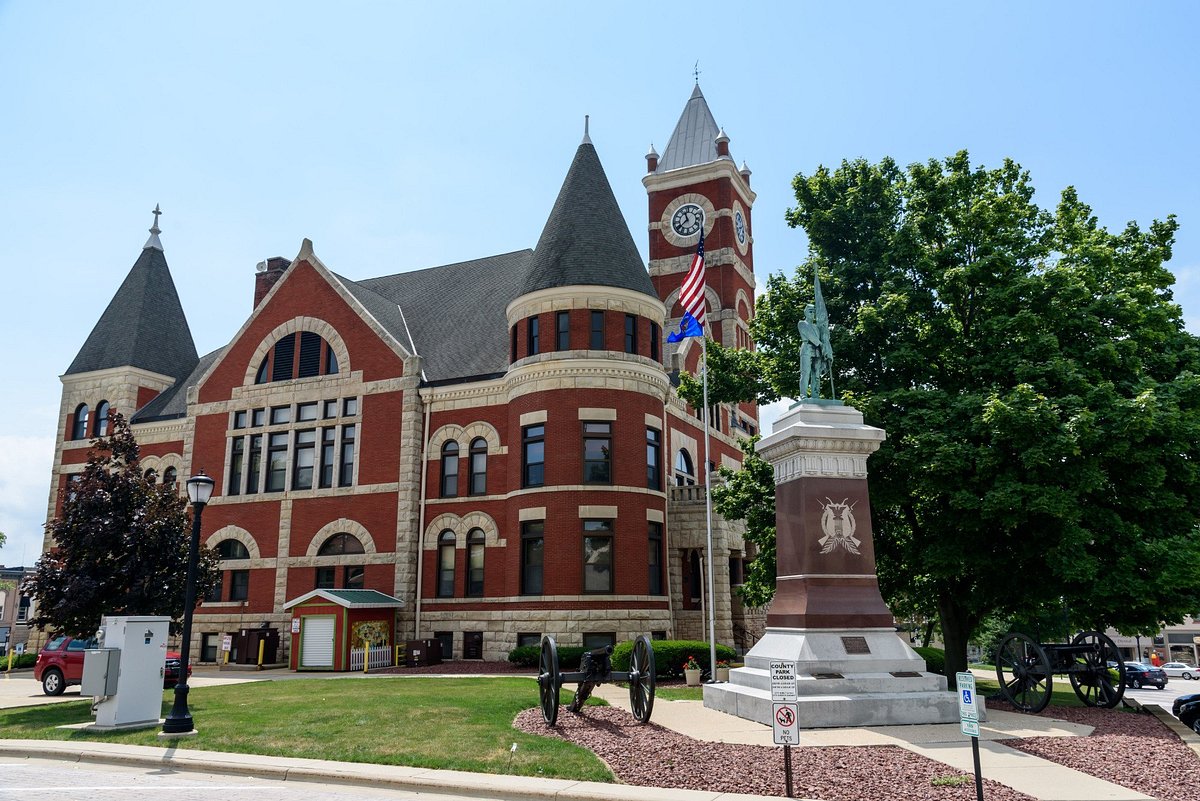
Types of Government Action
State law limits how restrictive local ordinances can be. Wisconsin Statute §66.0401(4f)—Limitations on regulation of solar and wind energy systems—requires that local permit requirements for renewable energy projects not be more restrictive than state standards established by the Public Service Commission (PSC). For this reason, local solar ordinances often reference PSC Chapter 128: Wind Energy Systems, which establishes requirements for wind energy systems. Within these limits, communities may still clarify local expectations, require financial assurance for decommissioning, and establish a transparent local permitting process that aligns with state law and PSC rules.
Read RESET’s Solar Guidance Memo to learn more about the extent to which local governments may regulate solar development projects within their borders. Further, RESET provides a Model Solar Zoning Ordinance that communities can use as an example when developing their own local ordinances, as well as a webinar on the Model Solar Zoning Ordinance and Solar Regulation Guidance designed to support informed local decision-making around solar development.
Comprehensive Plans
Local governments can use comprehensive plans to document land use priorities, planned development, and preferred locations for renewable energy projects. Under Wisconsin Statute §196.491(3d): Review of large electric generating facilities, the Public Service Commission (PSC) must consider whether a proposed large energy facility would interfere with land use and development during review. For projects 100 megawatts or larger, which require a Certificate of Public Convenience and Necessity under Wisconsin Statute §196.491(3): Certificate of Public Convenience and Necessity requirement, comprehensive plans provide an important way for local governments to communicate land use priorities to the PSC.
Local governments may choose to negotiate a developer agreement with a solar developer to address issues that cannot be required through zoning or ordinances alone. These agreements are private contracts that can include things like additional payments, road repairs, or extra setbacks for neighboring properties. Developer agreements are most common for large projects, but developers have also expressed interest in using them for smaller projects to support cooperation.
Wisconsin Land+Water provides a guidance document for solar contracts, outlining tools to help local governments work with developers on project planning, safety, and community benefits.
RESET Local Government Action Resources
Solar Guidance Memo
Read this memo to learn more about the extent to which local governments may regulate solar development projects within their borders.
Model Solar Zoning Ordinance
The model ordinance offers example language local governments may draw from for guidance, helping communities understand their options and take clear, locally appropriate action. Click here to download an editable word document version.
RESET County Reports
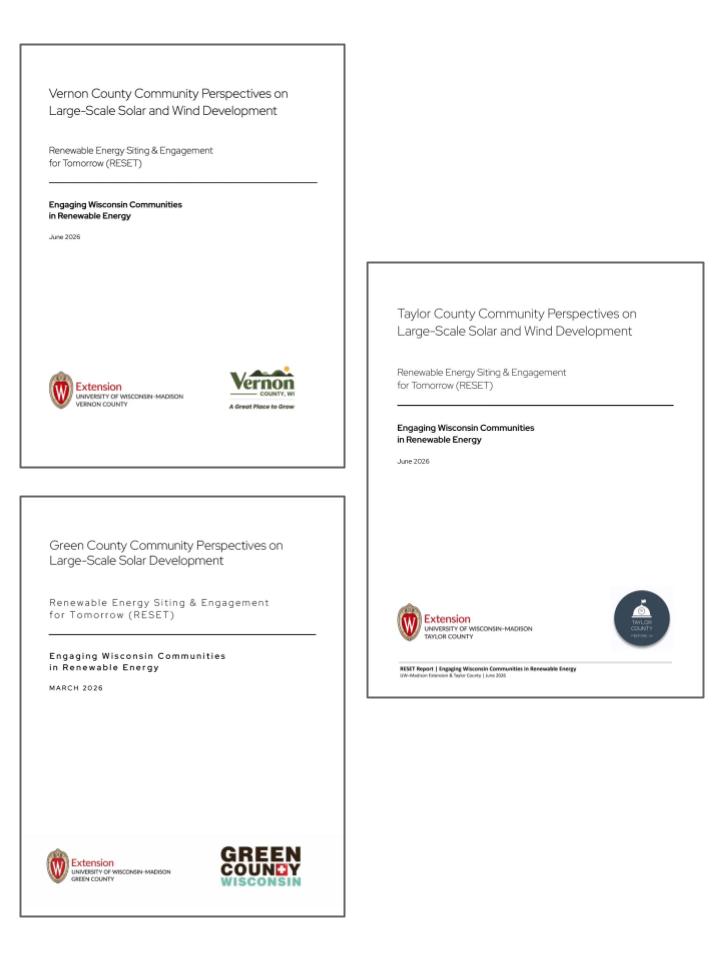
RESET’s county reports page give detailed examples of local government actions, documenting community input and showing how engagement tools can guide decisions.
Using the Model Solar Ordinance: A Guide for Wisconsin Communities Webinar
UW-Madison Extension’s timely and practical webinar supports informed local decision-making around solar development. Watch to learn more about two key resources developed specifically for Wisconsin communities: Solar Regulation Guidance and the Model Solar Zoning Ordinance.
Kurt Calkins – Columbia County
Kurt Calkins, Columbia County Director of Land & Water Conservation, speaks about his county’s experiences with solar and wind energy siting in Wisconsin.
Matt Zangl – Jefferson County
Join Matt Zangl, director of Planning and Development in Jefferson County, as he identifies best practices for navigating solar development agreements between developers and counties.
Upcoming Events
Interested in learning more? RESET offers a variety of in-person and online events that provide opportunities to explore renewable energy topics and engage with others across Wisconsin. Explore RESET’s Events page to find upcoming events and opportunities to get involved.
Additional Local Government Action Resources
Identifying Community Priorities
Visit RESET’s on identifying community priorities to better understand how you can engage your local community.
Solar Contracts
Wisconsin Land+Water’s guidance document for solar contracts with developers.
County Role in Siting Renewable Energy Projects
Wisconsin Land+Water provides additional resources to navigate Wisconsin’s evolving renewable energy landscape.
New York State Battery Energy Storage System Guidebook
New York State Energy Research and Development Authority (NYSERDA) offers communities practical guidance, tools, and step‑by‑step instructions for overseeing the development of battery storage projects.

RESET: Engaging Wisconsin Communities in Renewable Energy
Contact RESET:
3500 University Avenue, Madison Wisconsin, 53705